
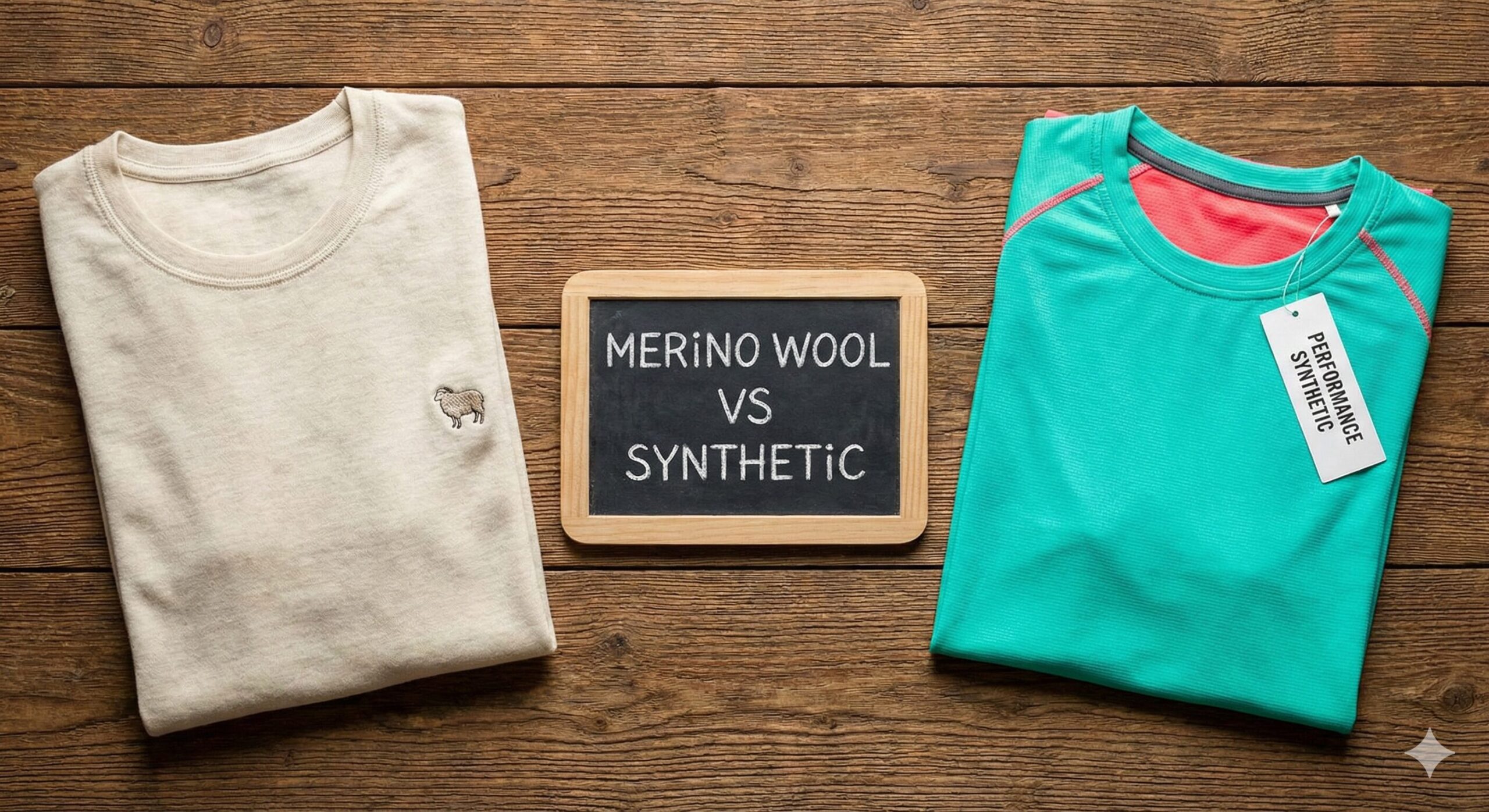
Merino Wool vs. Synthetic Base Layers: Which Is Best for Snowboarding in 2026?
It is the age-old debate of the snowboard world: Nature vs. Science. On one side, you have Merino Wool, the miracle fiber from New Zealand sheep that naturally regulates temperature. On the other, you have Synthetic (Polyester/Nylon), the lab-engineered fabric designed to wick sweat faster than anything else.
Choosing the wrong one can lead to a clammy, freezing chairlift ride or a stinky car ride home. But the “best” choice depends entirely on how you ride. Are you a sweaty park rat doing high-output laps? Or a backcountry explorer needing warmth for 8 hours? Let’s break it down.
The Cheat Sheet: At A Glance
Don’t have time for the science? Here is the winner in every major category.
| Feature | Merino Wool | Synthetic |
|---|---|---|
| Warmth | Winner (Warm when wet) | Good |
| Moisture Wicking | Good (Absorbs vapor) | Winner (Moves liquid fast) |
| Odor Resistance | Winner (Days without smell) | Poor (Gets “perma-stink”) |
| Durability | Fragile | Winner (Lasts years) |
| Price | Expensive ($80-$150) | Affordable ($30-$70) |
Deep Dive: Merino Wool
Merino wool isn’t the scratchy sweater your grandma gave you. It comes from Merino sheep, primarily in New Zealand and Australia, which produce ultra-fine fibers that are soft against the skin.
The Magic of “Warm When Wet”
The superpower of wool is that it can absorb up to 30% of its weight in water without feeling wet. It generates a small amount of heat as it absorbs moisture (a chemical process called “heat of sorption”). This means if you sweat on a hike and then stop on a windy peak, you won’t freeze instantly.
Because Merino is an investment, it affects your overall budget. Check our breakdown of how expensive is snowboarding to see where to prioritize your spending (hint: boots and base layers come first).

The Gold Standard: Smartwool Merino 250
100% Merino wool. The softest, warmest base layer on the market. Perfect for cold resort days where you aren’t sweating buckets.
Check PriceDeep Dive: Synthetics (Polyester/Nylon)
Synthetics are plastic-based fibers. Unlike wool, which absorbs moisture into the fiber core, synthetics are hydrophobic—they hate water. This forces moisture to the surface where it can evaporate.
Best For High Output
If you are riding park, spring slush, or hiking aggressively, you will generate liquid sweat faster than wool can absorb it. Synthetics act like a pump, moving that sweat off your skin instantly. You might feel cooler (which is good in spring), but you will stay drier.
High-intensity riding leads to massive sweat output. See our fitness guide for snowboarding to understand how your body generates heat on the mountain.
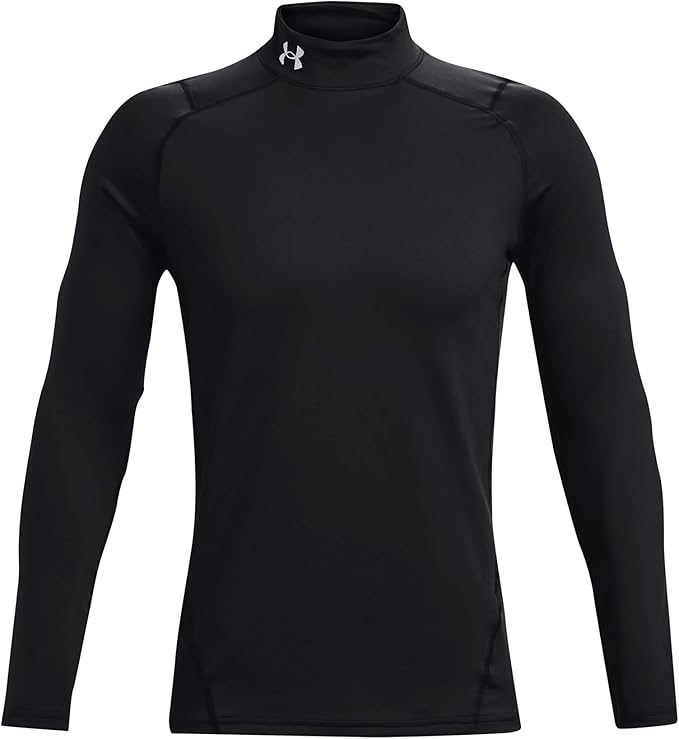
The Action Pick: Under Armour ColdGear
A compression-fit synthetic that wicks sweat violently fast. Ideal for park riders and warm spring days.
View DealsThe Smell Test: No Contest
This is where Merino wins, hands down. Wool fibers contain lanolin and have a jagged structure that traps bacteria, preventing them from reproducing. You can wear a Merino shirt for 3-4 days of riding without washing it, and it won’t smell.
Synthetics, on the other hand, are smooth tubes that bacteria love to grow on. Even with “anti-microbial silver treatments,” a synthetic shirt will usually smell like a locker room after one hard day of riding.
2026 Trend: Hybrid Blends
In 2026, you don’t always have to choose. Brands like Black Diamond (NuYarn) and Smartwool (Intraknit) are wrapping Merino wool fibers around a strong Nylon core. This gives you the touch and warmth of wool against your skin, but the durability and stretch of nylon. If you can afford it, Hybrid Blends are the superior choice.
Timing your purchase matters for these high-tech fabrics. Read when is the best time to buy snowboarding gear to snag these hybrids on sale.
Final Verdict: Which Should You Buy?
Buy Merino Wool If:
- You ride in very cold temperatures (under 20°F).
- You are on a multi-day trip and can’t do laundry.
- You hate the “clammy” feel of plastic fabrics.
- You have the budget.
Buy Synthetic If:
- You ride in the park or in warm spring conditions (over 30°F).
- You sweat heavily and need maximum drying speed.
- You are on a tight budget.
- You are vegan (no animal products).
Comfort starts at the base layer but ends at your feet. Don’t let bad socks ruin your day; check out why do my feet hurt when I snowboard to complete your comfort kit.
Frequently Asked Questions
Generally, no. High-quality Merino uses ultra-fine fibers (measured in microns) that bend when they touch your skin rather than poking it. However, if you have extremely sensitive skin, you might still prefer high-end synthetic.
Wash on cold/delicate cycle and never put it in the dryer. Heat shrinks wool. Lay it flat to air dry. Synthetics can usually be thrown in the dryer on low heat.
Yes! A 50/50 blend often solves the durability issues of wool while reducing the smell issues of synthetic. It’s a great middle-ground for resort riders.
Silk is an old-school base layer. While it feels nice, it is terrible at moisture management compared to wool or modern synthetics. It gets wet and stays wet. Avoid silk for snowboarding.


 Home
Home
 About
About
 My Cart
 Reviews
 Compare