
Off-Season Domination: The Ultimate Fitness Guide for Snowboarding
Snowboarding is more than a sport; it’s a full-body athletic pursuit disguised as leisure. To truly unlock the joy of riding—to carve deep trenches, float effortlessly through powder, and ride bell-to-bell without burning out—you need a physical foundation built in the off-season. Riding is a unique blend of isometric holding power, eccentric strength, and explosive rotational core stability.
Trying to tackle the mountain without proper conditioning is often why riders feel aches, suffer injury, or struggle with fatigue. This comprehensive guide provides a structured, three-phase fitness regimen designed to bulletproof your body for the slopes. We will focus on the four key physical domains—Leg Strength, Core Stability, Endurance, and Flexibility—that separate a day of struggle from a season of stoke. Remember, proper physical prep is the best way to avoid injury, as snowboarding is dangerous when you’re fatigued, and fatigue compromises form.
Chapter 1: The Biomechanics of Shredding—Why Snowboarding is Unique
Snowboarding is unique because it forces your body into sustained, unilateral tension. Most conventional gym workouts miss these key demands.
1. The Four Pillars of Snowboard Fitness
- Pillar 1: Eccentric Leg Strength: This is the ability of your muscles to resist lengthening under load. Every time you ride through choppy snow, land a jump, or absorb a bump, your quads and glutes are firing eccentrically. This is what prevents the dreaded “burning legs” and protects your knees.
- Pillar 2: Rotational Core Stability: Your core is the transmission that transfers power from your upper body to the board’s edge. Carving, buttering, and turning all require the core to simultaneously stabilize the spine while initiating **rotational power**. A weak core means less control, more skidding, and increased risk of back injury.
- Pillar 3: Unilateral Balance and Agility: Unlike skiing, snowboarding is a single-platform sport. You rely heavily on single-leg stability to control the toe and heel edges. Agility is critical for quick edge changes and navigating glades, which is why snowboarding is the best winter sport for full body awareness.
- Pillar 4: Endurance (Aerobic/Anaerobic): Riding bell-to-bell requires sustained aerobic fitness. However, quick, intense efforts (sprinting to the lift, landing a trick, riding tight powder) demand anaerobic bursts.
2. Common Physical Failures and Gear Links
Physical weakness often manifests as discomfort or equipment issues:
- Foot Pain: If your feet hurt, it’s often due to the constant isometric contraction of the smaller stabilizing muscles in your foot trying to compensate for weak core and leg muscles. Read why do my feet hurt when i snowboard—the fix usually starts with better arch support and stronger stabilizing muscles.
- Back/Hip Pain: Usually a sign of poor rotational core stability. This is often where protective gear (best impact shorts for snowboarding) comes in handy, but fitness is the best defense.
- Early Fatigue: This is the most dangerous failure. When you fatigue, your form breaks down, leading to catching an edge or falling awkwardly. This is often when snowboarding is dangerous.
Chapter 2: The Three-Phase Snowboard Training Program
A successful program moves from building raw strength to converting that strength into dynamic, ride-specific power.
Phase 1: Foundational Strength (The Base, 12+ Weeks Out)
Goal: Build raw strength and correct muscle imbalances. Focus on heavy, controlled movements.
- Lower Body: Back squats, Romanian Deadlifts (RDLs), and lunges. Focus on the **eccentric (lowering)** phase, taking 3-4 seconds to lower the weight. This builds knee and joint resilience.
- Core: Planks, bird-dogs, and Pallof presses. Focus on resisting rotation and maintaining a rigid spine.
- Cardio: Long-duration, low-intensity sessions (running, cycling) to build aerobic capacity.
Phase 2: Power and Agility (6-12 Weeks Out)
Goal: Convert raw strength into explosive power and dynamic stability, necessary for riding aggressive terrain (backcountry snowboarding) or linking tight carves.
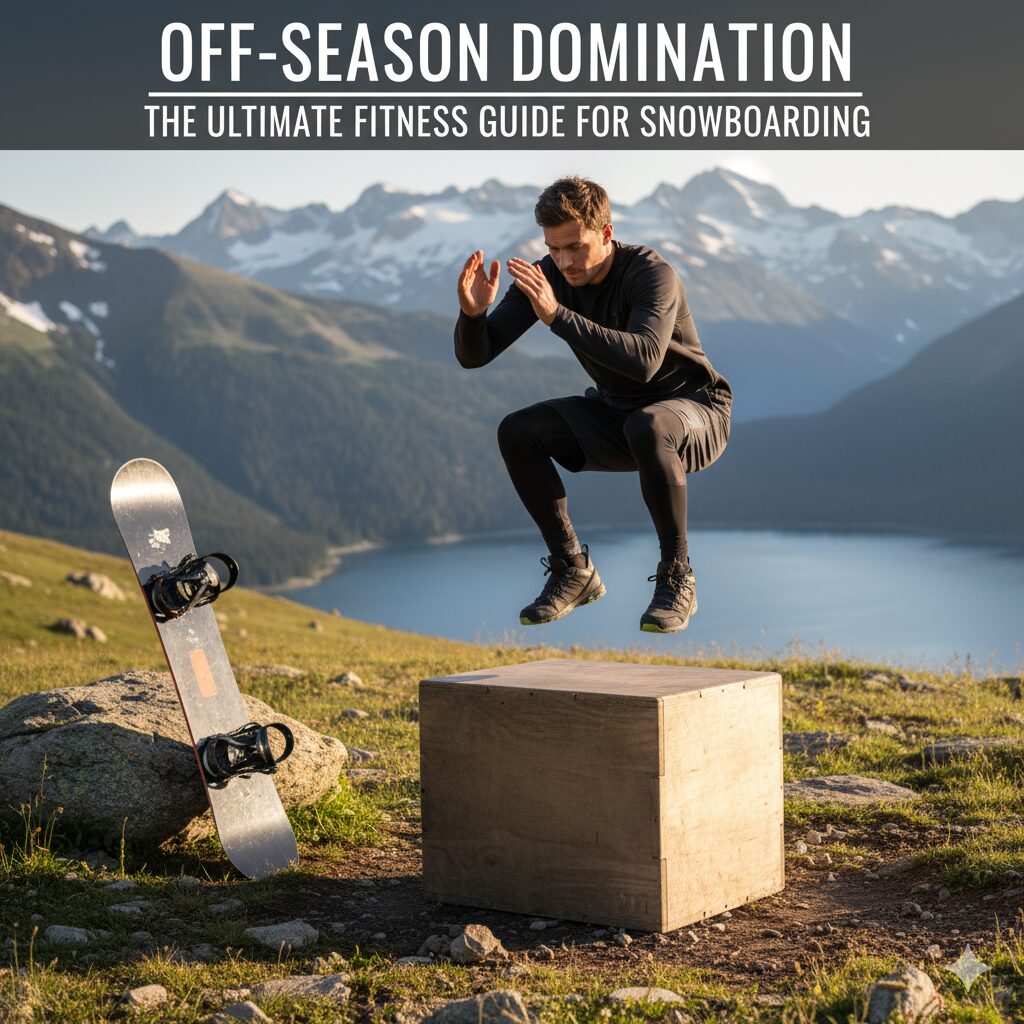
- Plyometrics: Box jumps, squat jumps, and lateral bounds. These mimic the quick, explosive forces involved in ollies and jump landings.
- Unilateral Strength: Single-leg squats (pistols or step-downs) and Bulgarian Split Squats. This isolates the muscles used to steer the board, greatly improving edge control and preventing the kind of imbalance that causes discomfort in gear like K2 snowboard boots.
- Rotational Power: Medicine ball throws (rotational and overhead), cable wood chops, and Russian twists. These build the core strength needed to link turns fluidly.
Phase 3: Pre-Season Conditioning (0-6 Weeks Out)
Goal: Maximize anaerobic endurance and ride-specific muscular stamina. This phase is about long, painful sets designed to mimic the burn of a long run.
- High-Intensity Interval Training (HIIT): Short, intense bursts followed by brief recovery (e.g., 30 seconds of burpees, 30 seconds rest). This builds the stamina needed for continuous riding.
- Isometric Holds: Wall sits (holding the snowboard stance) and static split squats. Hold each position for 60-120 seconds. This is the **most snowboard-specific** training, directly translating to leg stamina for long runs in places like snowboarding in Colorado.
- Dynamic Balance: Stand on a balance board or a bosu ball while performing squats or twists. This trains the micro-muscles in the ankles and feet that stabilize the board during high-speed carving.
Chapter 3: Essential Fitness Gear and Recovery (Amazon Picks)
You don’t need a fancy gym membership. The most effective snowboard-specific exercises can be done at home with minimal equipment.
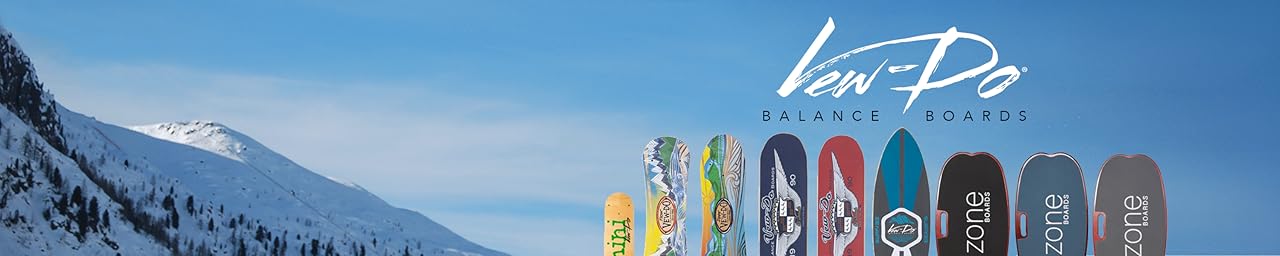
Vew-Do Balance Board (Snowboard Specific)
This is the single most valuable piece of off-season training equipment. It directly simulates the stability challenge of riding a snowboard. Practicing squats, ollies, and twists on this board builds the small stabilizer muscles in your ankles and feet, reducing the risk of fatigue and injury. It dramatically improves edge-to-edge transition speed, crucial for aggressive carving. This device helps train the muscles often responsible for foot discomfort (why do my feet hurt when i snowboard).
Check Price on Amazon
Resistance Band Set with Door Anchor
These bands are lightweight, portable, and perfect for building rotational core strength (Pallof Press, rotational chops) needed for initiating turns and maintaining balance. The tension mimics the forces your body resists while steering the board. They are also excellent for warm-ups and activation before your actual ride, an essential practice, regardless of whether you wear mittens vs gloves for snowboarding.
Check Price on Amazon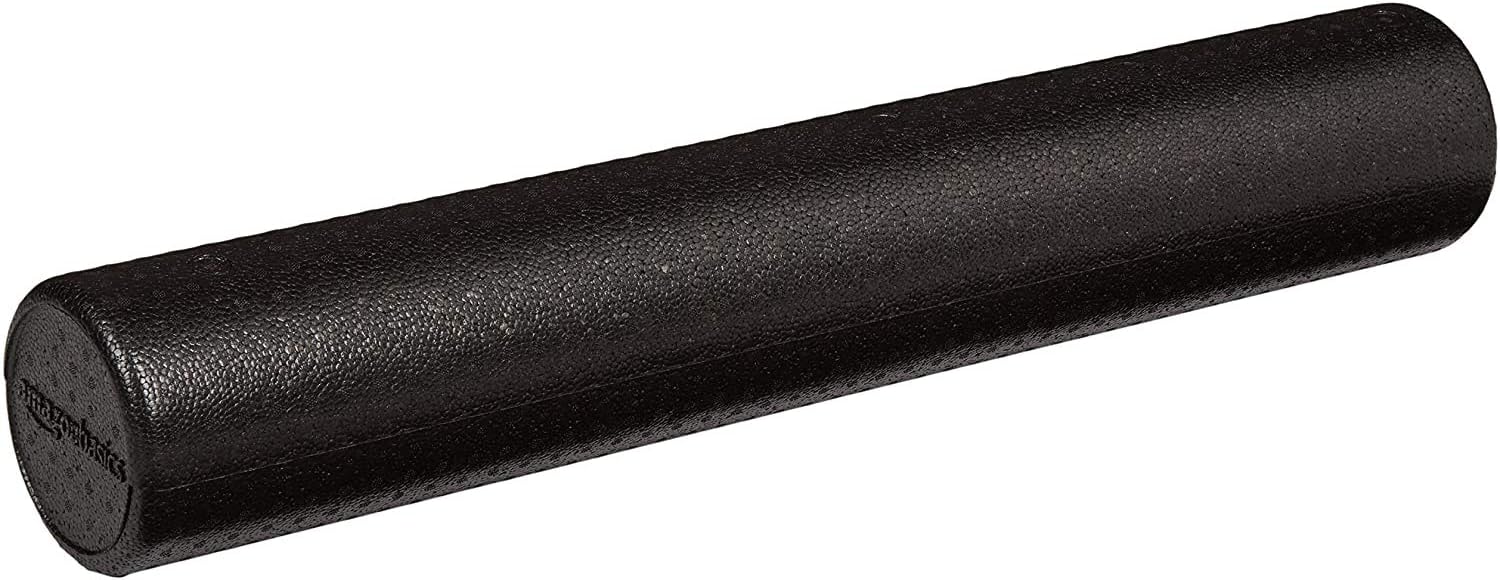
High-Density Foam Roller for Deep Tissue Massage
Recovery is non-negotiable. Tight hips and quads inhibit your range of motion and reduce your ability to absorb bumps (eccentric failure). A foam roller is essential for releasing fascia and improving flexibility, allowing you to get lower in your turns and ride longer without stiffness. Recovery techniques are key to maximizing your time on the mountain (why snowboarding is fun).
Check Price on Amazon
Compression Socks (High Performance)
Compression socks improve blood flow, reducing muscle vibration and minimizing lactic acid buildup during long, sustained runs. They are highly effective for long resort days and travel to distant slopes (best snowboarding destinations). They also provide much-needed support for the lower leg, which often suffers strain inside stiff boots (best snowboard boots).
Check Price on Amazon
Amazon Basics Cast Iron Kettlebell
A single kettlebell is your best friend for Phase 2 power training. It allows you to perform highly functional exercises like goblet squats, swings, and Turkish Get-Ups—all of which build the raw, asymmetric core and hip power needed to navigate terrain and absorb shock. This functional training is a necessary precursor before attempting advanced lessons.
Check Price on AmazonChapter 4: Comprehensive Snowboarding FAQs & The Fitness Link
Fitness transcends the gym; it affects every piece of gear, every turn you make, and every decision on the mountain. Conditioning is the non-negotiable insurance policy against injury and fatigue.
The Fitness-Gear Connection
Your fitness level dictates the quality of gear you need. A well-conditioned rider can manage a slightly less stiff boot or board. A rider with weak legs will need maximum support from stiff boots and a rigid board (like performance boards from Yes or Gilson). Training your body is the most cost-effective way to improve performance, even more so than timing a gear purchase (when is the best time to buy snowboarding gear).
| General Snowboarding Topic | Expert Insight |
|---|---|
| Boot Laces & Fit | Properly trained feet and ankles make boot fit easier. Even minor details like how long are snowboard boot laces matter for achieving perfect tension. Ensure the boot gives you zero heel lift, even in stiff models like those in the K2 snowboard boots review or Vans sizing guide. |
| Safety & Protection | Fitness reduces the risk of injury, but protection is still mandatory. Always wear a helmet (best snowboard helmets) and consider impact shorts (best impact shorts for snowboarding) for park or high-speed carving sessions. |
| Endurance & Destinations | High-altitude riding in places like Colorado or the top European ski resorts demands peak aerobic fitness. Your endurance training should be prioritized before these trips. For beginners, training allows you to make the most of your first trips to beginner resorts. |
| Board Types & Style | Strength allows you to handle aggressive boards (like DC snowboards) or deep powder boards for backcountry snowboarding. Core strength helps you style out tricks and feel the flow, which is the heart of why snowboarding is fun. |
| Style and Function | Fitness is the best foundation, but gear matters too. Whether you prefer the flow of best baggy snowboard pants or the warmth of mittens over gloves, physical preparation ensures you can ride with confidence and control. |
| Logistics & Cost | Remember to protect your body and your gear. Proper fitness helps you avoid costly injuries, and smart storage (best snowboard bags) protects your investment. Your physical prep is as valuable as any piece of gear you purchase. |
| General Resources | For all gear reviews, destination tips, and technique advice, visit snowboardchamp.com. |


 Home
Home
 About
About
 My Cart
 Reviews
 Compare