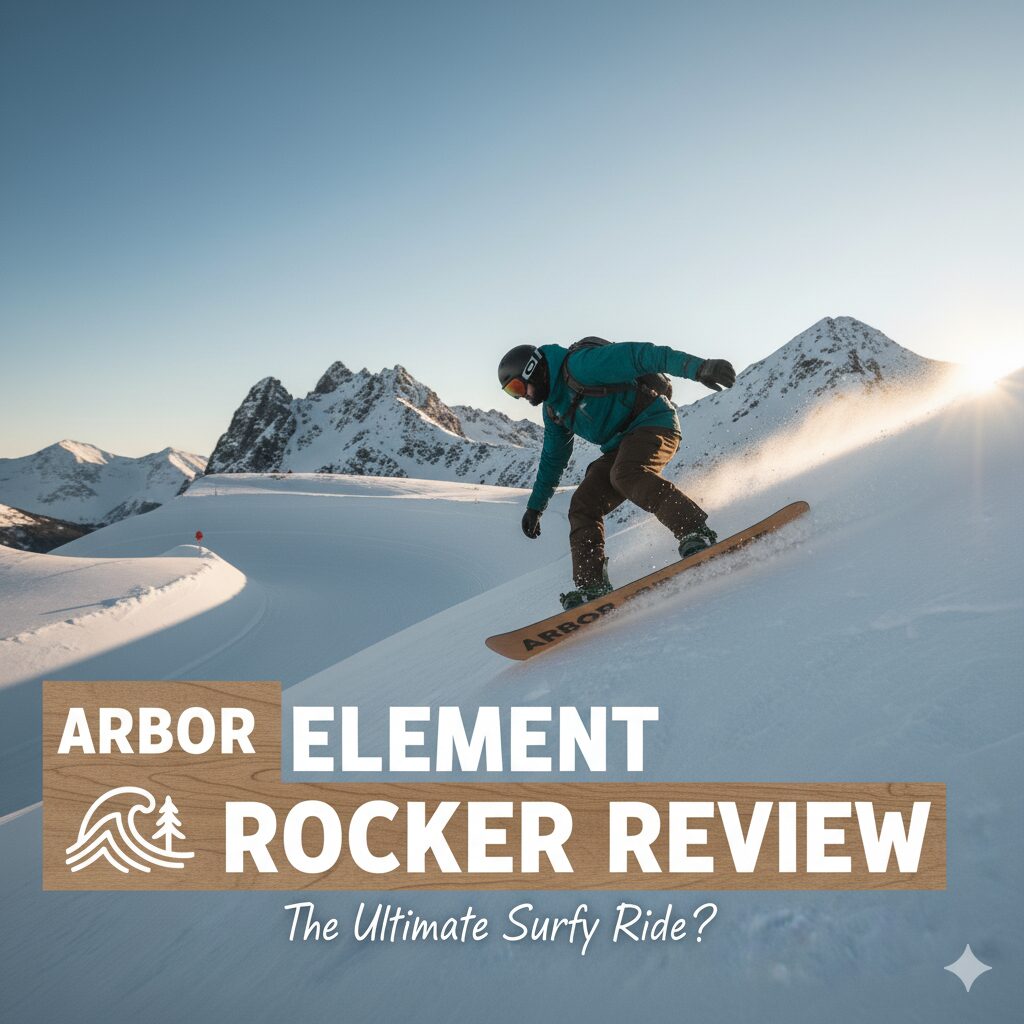
Arbor Element Rocker Review: The Ultimate Surfy Ride?
Is the Arbor Element Rocker truly the most versatile board for intermediate riders? We break down the System Rocker technology, Grip Tech, and sustainability to see if it lives up to the hype.
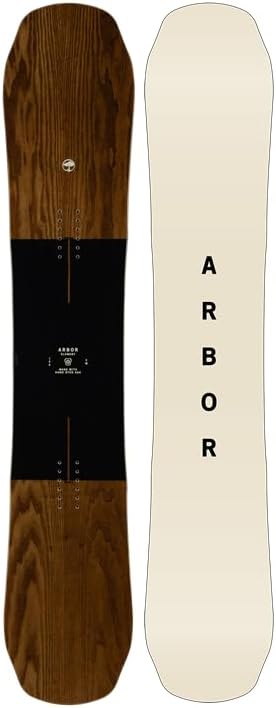
For over 25 years, the Arbor Element has been a cornerstone of the snowboarding industry. It is the board that put Arbor on the map, famous for its stunning wood grain topsheets and eco-friendly construction. But beyond the aesthetics, the Arbor Element Rocker (also known as the Element Black in some iterations) is designed to solve a very specific problem: making snowboarding effortless.
If you have ever wondered why snowboarding is fun, it usually boils down to that feeling of floating over snow without catching an edge. The Element Rocker is engineered specifically to enhance that sensation. It utilizes a parabolic rocker profile that creates a surfy, loose feel, making it a favorite for intermediate riders looking to progress or experts who want a chilled-out cruiser.
In this review, we will dissect how this board handles everything from icy groomers to deep powder, and compare it against its stiff competition. We’ll also discuss why its unique “Grip Tech” edges might save you from a nasty fall—something to consider if you’ve been reading up on why snowboarding is dangerous for beginners.
At A Glance: Arbor Element Rocker
| Profile | System Rocker (Parabolic) |
|---|---|
| Shape | Directional Twin |
| Flex | Medium (5/10) |
| Core | Highland II Core (Poplar/Paulownia) |
| Base | Sintered Base |
| Best For | All-Mountain, Powder, Cruising |
| Skill Level | Intermediate to Advanced |
The Tech: Not Just a Banana
Many riders debate camber vs rocker snowboards. Camber offers pop and precision; rocker offers float and forgiveness. Arbor’s “System Rocker” is unique because it isn’t a continuous curve. It is parabolic, meaning the rocker is more pronounced between the feet and flattens out towards the tip and tail. This keeps the contact points off the snow when riding flat, virtually eliminating caught edges.
Grip Tech: The Edge Saver
The biggest complaint about rocker boards is that they wash out on ice. Arbor solves this with Grip Tech. They added two slight bumps to the edge profile right under your bindings (heel and toe).
Think of it like a serrated knife. These contact points dig into hardpack snow even when the board is rockered. If you are learning how to carve on a snowboard but are afraid of washing out, Grip Tech provides a safety net that traditional rocker boards lack.
Power Ply Topsheet
That wood grain isn’t just a sticker. It’s a structural layer of real wood (usually Ash) called the Power Ply. It acts like a third layer of fiberglass, adding snap and durability without adding synthetic weight. This construction is a key reason why wax your snowboard and caring for the topsheet is important—it’s a piece of craftsmanship.
Performance on the Mountain
Powder & Float
This is where the Element Rocker shines. Because the profile naturally lifts the nose out of the snow, you don’t have to burn your back leg muscles leaning back. It floats effortlessly. Whether you are snowboarding in Colorado bowls or Japanese deep pow, the directional twin shape helps you stay on top. If you are into backcountry snowboarding, this board makes a decent resort-to-sidecountry companion.
Groomers & Speed
On groomed runs, the board feels loose and surfy. It wants to turn. Transitioning from edge to edge is smooth and requires very little effort. However, at extremely high speeds, you may experience some “chatter” in the tip and tail due to the rocker profile. It’s not a damp trench-digger like a heavy camber board; it’s a playful cruiser.
Freestyle & Park
Can you take it in the park? Absolutely. The rocker profile makes presses and butters incredibly easy. You can lock into a nose press without fighting the camber. However, for big jumps, it lacks the explosive “snap” of a camber board. If you are working through a list of snowboarding tricks involving rails and boxes, the Element Rocker is forgiving and fun.
See It In Action
Words can only describe so much. Watch this breakdown to see how the Grip Tech engages on snow and how the rocker profile floats in powder.
Comparison: Element Rocker vs. The Competition
The all-mountain category is crowded. Here is how the Element Rocker stacks up.
Arbor Element Rocker vs. Element Camber
Arbor makes this exact same board in a Camber version.
- Choose Rocker if: You want float in powder, forgiveness, and a surfy feel. Great for intermediate progression.
- Choose Camber if: You want maximum pop for ollies (read how to ollie here), stability at high speeds, and aggressive carving power.
Arbor Element vs. Jones Mountain Twin
The Jones Mountain Twin is stiffer and more aggressive. It uses a hybrid profile (CamRock). The Jones is better for charging hard lines, while the Arbor Element Rocker is better for flowing through trees and relaxed cruising.
Arbor Element vs. YES Basic
The YES Basic is another industry favorite. While YES snowboards are good, the Basic is a true twin, whereas the Element is a directional twin. The Element will handle powder slightly better, while the YES Basic is superior for riding switch and park laps.
Recommended Setup
To get the most out of this board, you need the right pairings.
Bindings
You want a medium-flex binding to match the board’s personality.
- For Men: The Burton Cartel X might be slightly too stiff; look for the standard Cartel or Union Force. If you are on a budget, check our list of best budget snowboard bindings.
- For Women: The Union Legacy is a perfect match for the women’s version of this board (the Arbor Cadence), providing that damp, surfy feel.
Boots
Ensure your boots fit perfectly. Heel lift kills the response of a rocker board. Check out how to stop heel lift and browse the best snowboard boots for a medium-flex option.
Pros & Cons
✅ Pros
- Catch-Free Ride: System Rocker makes it nearly impossible to catch an edge.
- Grip Tech: Provides actual edge hold on ice, unlike most rocker boards.
- Powder Float: Natural uplift keeps you on top of the deep stuff.
- Eco-Friendly: Sustainable wood core and bio-resin construction.
- Aesthetics: The wood grain top sheet is timelessly beautiful.
❌ Cons
- Less Pop: Lacks the explosive energy of a camber board.
- Speed Stability: Can feel “chattery” or loose at very high speeds.
- Sintered Base Maintenance: Requires regular waxing (learn how often to wax here).
Is the Arbor Element Rocker right for you?
Check Availability on AmazonFrequently Asked Questions
Is the Arbor Element Rocker good for beginners?
Yes, it is excellent for ambitious beginners. The rocker profile is forgiving, meaning you will fall less often while learning turns. Pair it with the best wrist guards and impact shorts, and you have a safe learning setup.
Does the Element Rocker work for carving?
Surprisingly, yes. While rocker boards aren’t known for carving, the Grip Tech contact points allow you to lay down a trench. It won’t have the rebound energy of camber, but it holds an edge well.
What size should I get?
Arbor sizing is standard. However, if you have large feet (US 11+), ensure you get the “Wide” version (Element Rocker MW) to avoid toe drag. Read about directional vs twin shapes to understand how sizing affects ride.
How do I maintain the wood topsheet?
The topsheet is sealed with bio-resin, so you treat it like any other board. However, nicks can expose wood, so seal deep scratches with epoxy. Also, keep the edges sharp; read removing rust from snowboard edges for maintenance tips.
Is it a sintered or extruded base?
The modern Arbor Element Rocker typically features a Sintered Base. This means it is faster and more durable but requires more waxing than an extruded base.
Can I ride switch on it?
Yes. It is a directional twin, meaning the shape is twin but the flex or stance might be slightly set back. It rides switch very comfortably.
When is the best time to buy?
To snag a deal on the Element, check when is the best time to buy snowboarding gear (usually late March).
Final Verdict
The Arbor Element Rocker remains a legend for a reason. It perfectly balances the fun, surfy nature of snowboarding with the technical edge hold required to ride safely on hardpack. It is arguably the best “one-board quiver” for the intermediate rider who wants to explore the whole mountain without fighting their equipment.
It floats in powder, presses in the park, and cruises on groomers. While speed demons might prefer the Camber version, the Rocker version captures the soul of why snowboarding is better than skiing—pure, effortless flow.
Before you head to the mountain, make sure your snowboard bag is packed, your goggles are clear, and your Element Rocker is waxed.


 Home
Home
 About
About
 My Cart
 Reviews
 Compare