
The Best Snowboard Movies of All Time: A Cinematic Journey Through Powder and Park
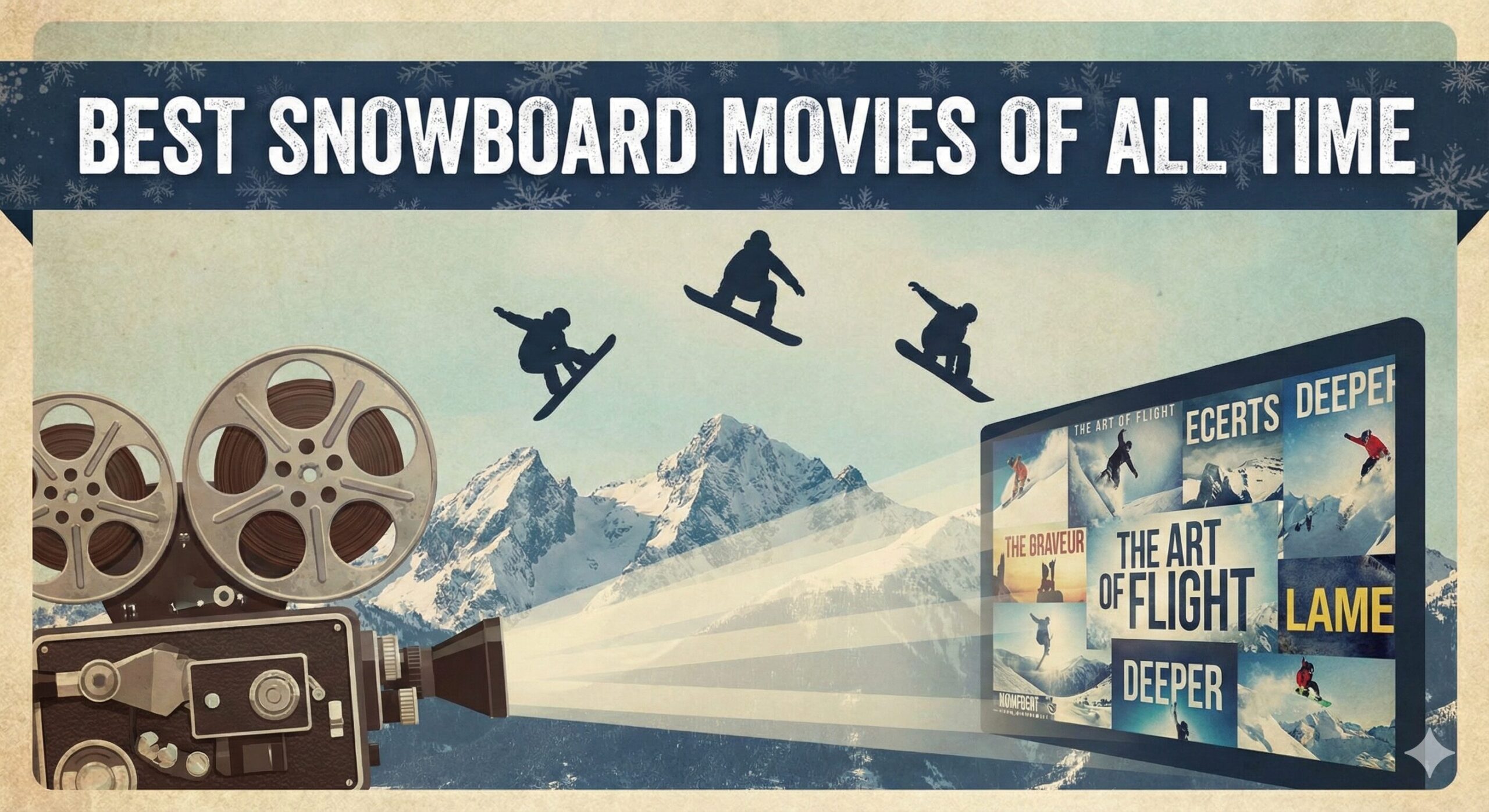
For decades, before Instagram reels and TikTok clips dominated our screens, the annual release of snowboard movies was a sacred ritual. Every September and October, riders would pack into theaters, huddle around DVD players, or crowd into local snowboard shops to witness the progression of the sport. These films are more than just highlight reels; they are the history books, the trendsetters, and the ultimate source of hype for the upcoming winter. They documented the evolution of tricks, the shifting trends in outerwear, and the music that defined entire generations of riders.
The impact of these films goes far beyond entertainment. In the pre-internet era, they were the only way to see what the pros were doing. If you wanted to learn a new grab or see how to hit a handrail, you watched these movies on repeat until the tape wore out. They created a shared language and culture among snowboarders worldwide. Whether it was the punk rock edits of the 90s that solidified snowboarding’s rebellious image or the polished 4K cinematography of the 2010s that showcased the beauty of the mountains, each era of filmmaking brought something unique to the table.
Furthermore, these movies serve as a timeline of technological advancement—not just in snowboarding gear, but in filmmaking itself. We watched the transition from grainy 16mm film and handheld camcorders to high-speed Phantoms and drones. We saw the sport move from ski resort boundaries into the deep backcountry and the gritty urban streets. In this curated list, we break down the absolute best snowboard movies of all time—films that didn’t just entertain us, but changed the culture forever and explained why snowboarding is fun on a visceral level.

The Golden Era (90s – Early 2000s)
This era defined what modern snowboarding looks like today. It was raw, rebellious, and focused heavily on the rapid progression of freestyle riding. At this time, snowboarding was still fighting for legitimacy in many parts of the world. Ski resorts were just beginning to open their lifts to boarders, and the “punk rock” attitude was at its peak. The movies from this period weren’t about high production value or cinematic storytelling; they were about energy, attitude, and doing things that had never been done before.
The influence of skateboarding was palpable in these films. The editing was fast-paced, the soundtracks ranged from hip-hop to heavy metal, and the focus shifted from racing and carving to technical rail riding and massive park jumps. This was the era of the “Forum 8,” a team of riders that became rockstars in their own right. Their influence on style—baggy pants, wide stances, and technical jibbing—is still felt in the snow parks of today. Films from this time are gritty and authentic, capturing the camaraderie of a crew traveling in a van, sleeping on floors, and searching for the perfect spot.
1. The Resistance (2000)
If you want to understand the roots of modern park riding, you start here. The Resistance focused on the legendary Forum Snowboards team. It features JP Walker, Jeremy Jones, and Peter Line essentially inventing urban rail riding and technical park tricks. Before this movie, sliding a handrail was a novelty; after this movie, it became a requirement for pro status. The soundtrack is aggressive, the editing is fast, and the riding is timeless.
2. Apocalypse Snow (1983)
Long before the X-Games, there was Apocalypse Snow. This French film is a surreal, narrative-driven chase movie where evil mono-skiers hunt down a lone snowboarder (Regis Rolland). It is campy, weird, and incredibly important. It introduced snowboarding to Europe and remains a cult classic for those who appreciate the sport’s eccentric origins. It reminds us that snowboarding started as something fringe and bizarre before it became mainstream.
3. Lame (2003)
After years of serious, “gangster” style snowboard movies, Robot Food released Lame and reminded everyone that snowboarding is supposed to be funny and fun. With an 80s soundtrack and a team that didn’t take themselves too seriously, this movie shifted the culture back towards having a good time with your friends. It showcased incredible riding without the pretension, proving that you could rip without having a bad attitude.

The Cinematic Revolution (2008 – 2012)
In the late 2000s, cameras got better, budgets got bigger, and Travis Rice decided to change the world. This era introduced high-definition storytelling to the sport, fundamentally changing how the general public perceived snowboarding. Before this, snowboard movies were niche products sold in skate shops. Suddenly, they were premiering in IMAX theaters and streaming on Netflix. This was the era of the “Brain Farm” production house, which brought Hollywood-level cinematography to the mountains.
The technological leap was massive. Filmmakers began using Phantom high-speed cameras to capture ultra-slow-motion footage at thousands of frames per second, revealing the flex of the board and the spray of the snow in mesmerizing detail. Helicopters with Cineflex camera systems allowed for stable, sweeping aerial shots of Alaskan spines that made the viewer feel like they were flying. The soundtracks shifted from punk and hip-hop to epic, orchestral scores and indie electronic anthems (M83, anyone?) that matched the grandeur of the visuals. These movies weren’t just about tricks; they were about the awe-inspiring beauty of nature and the human desire to explore it.
4. The Art of Flight (2011)
This is arguably the most famous snowboard movie ever made. Brain Farm utilized Phantom high-speed cameras, helicopters, and a massive Red Bull budget to capture snowboarding in a way never seen before. The slow-motion shots of Travis Rice in Alaska are etched into the memory of every rider. It wasn’t just a snowboard movie; it was a cinematic event that reached mainstream audiences, showing the world that snowboarding could be high art.
5. That’s It, That’s All (2008)
The precursor to The Art of Flight, this film was the first to truly break the mold of the standard “part-by-part” snowboard video. It introduced 4K resolution and a documentary style that focused on the adventure of travel as much as the tricks. From Japan to New Zealand, it showcased the global nature of the sport and set the new standard for production value that every subsequent movie tried to chase.

The Backcountry Renaissance
While Brain Farm was using helicopters and burning jet fuel to access remote peaks, another movement was happening on foot. This era focused on human-powered adventures, environmental connection, and the “earn your turns” philosophy. As resort crowds grew and lift tickets got expensive, more riders began looking beyond the ropes. Films in this genre highlighted the physical and mental stamina required to mountaineer up a peak before riding down it.
These movies brought a sense of danger and reality back to the screen. They showed the planning, the avalanche safety protocols, and the days spent waiting in tents for the weather to clear. It wasn’t just endless action; it was a meditation on patience and respect for the mountains. The riding was different too—less about spinning as many times as possible, and more about reading the terrain, finding a fluid line down a steep face, and surviving the descent. Jeremy Jones was the figurehead of this movement, shifting his career from racing and freestyle to becoming the world’s premier big mountain explorer.
6. Jeremy Jones’ Trilogy: Deeper, Further, Higher
Jeremy Jones stepped away from the helicopters to hike. This trilogy documents his journey into backcountry snowboarding using splitboards to access terrain that machines couldn’t reach. Deeper started the splitboard revolution, Further explored remote ranges, and Higher culminated in a descent of the Himalayas. These films are gritty, inspiring, and terrifying, showcasing the raw reality of high-altitude mountaineering.
7. The Fourth Phase (2016)
Travis Rice returned with a concept film based on the hydrological cycle of the North Pacific. While visually stunning, it delved deeper into the psychology of the rider and the obsessive nature of chasing the perfect storm. It features some of the most technical backcountry freestyle ever filmed, blending the high production of his previous films with a deeper narrative about our connection to the water cycle and the environment.

Street, Style & The Raw Edit
Not everyone wants helicopters and Alaska lines. For many riders, snowboarding is an urban sport. The street scene keeps snowboarding grounded, gritty, and relatable. You don’t need a mountain; you just need snow, a handrail, and some creativity. This genre of film focuses on the “spot”—finding unique architecture in cities and turning it into a snowboard feature. It’s the closest link snowboarding has to its skateboarding roots.
These films often eschew 4K gloss for the raw aesthetic of VX1000 camcorders and fisheye lenses. The riding is technical, dangerous, and high-consequence. Concrete doesn’t forgive like powder does. Viewers get to see the battles: the security guards kicking riders out, the police encounters, the hours spent shoveling snow onto a set of stairs, and the dozens of painful falls before the final “stomp.” It celebrates the blue-collar work ethic of the street rider and the immense creativity required to see a potential trick in a mundane city landscape.
8. Videograss (2010)
A reaction against the over-produced Brain Farm movies, Videograss went back to basics: camcorders, fisheye lenses, and pure street riding. It captured the raw energy of hitting handrails and urban features without any slow-motion filler or helicopter shots. It’s essential viewing for anyone interested in style over spectacle, featuring riders who made the impossible look effortless.
9. Standing Sideways (2011)
Burton’s team movies are always heavy hitters, but Standing Sideways stands out for its balanced mix of park and powder. It features a young Mark McMorris and Ethan Deiss destroying street spots. Listening to the riders banter will also help you pick up on some key slang terms for snowboarding. It represents a time when the biggest brand in the world was fully invested in the core street culture.

Documentaries & Storytelling
As the sport has matured, so has its ability to tell stories. We have moved past “snowboarding porn” (just riding set to music) into genuine documentary filmmaking. These movies explore the history of the sport, the personalities of the icons, and the mental health struggles that often accompany a life of extreme risk. They humanize the athletes, showing us that behind the goggles, they are people dealing with fear, pressure, and loss.
This genre is crucial for preserving the heritage of snowboarding. As the pioneers of the sport age, documenting their stories becomes a race against time. These films appeal to a wider audience because they focus on universal themes: passion, resilience, innovation, and legacy. They answer the “why” of snowboarding—why do people dedicate their lives to sliding on snow? Why do they risk injury and financial instability? The answers found in these documentaries are often profound and moving, elevating the medium to something that can sit alongside the best sports documentaries in the world.
10. Horgasm: A Love Story (2012)
Part documentary, part mockumentary, this film follows Torstein Horgmo’s rise to fame. It’s hilarious, self-deprecating, and filled with incredible Triple Corks. But beneath the humor, it shows the burnout and pressure of the pro lifestyle. It was one of the first films to openly discuss the toll that constant filming and competing takes on a rider’s love for the sport.
11. Dear Rider (2021)
This is the definitive history of the sport through the lens of Jake Burton, the man who pioneered the industry. It is an emotional, educational watch that connects the dots between the early snurfer days and the modern Olympics. It features interviews with legends and archival footage that shows just how hard Jake fought to get snowboarders on the lifts. If you want to know where your board came from, watch this.
Frequently Asked Questions
Many classic snowboard movies (like The Art of Flight and The Fourth Phase) are available on Red Bull TV for free, which is an incredible resource for action sports content. Older classics like The Resistance can often be found on YouTube, uploaded by fans or the original production companies. Newer documentaries like Dear Rider are typically exclusive to major streaming platforms like HBO Max or Amazon Prime Video.
The Art of Flight is generally considered the best entry point for beginners. Its high production value, stunning scenery, and epic music make it accessible to anyone, even if they don’t understand the technical difficulty of the tricks. It captures the “wow factor” of the sport perfectly. For a history lesson, Dear Rider gives the best context on how the sport began.
This is highly subjective, but Travis Rice is widely considered the king of big mountain film parts due to his work in The Art of Flight and That’s It, That’s All. For street riding, names like JP Walker (The Resistance) and Jeremy Jones (for big mountain lines) are legendary. Each era has its kings, and these movies showcase them at their peak.
Before social media, movies were the only way to see new tricks and trends. They unified the global community, defined the fashion, and set the soundtrack for the winter. They are the artistic expression of the sport, preserving its history and pushing its progression forward. They turn individual athletic achievements into shared cultural moments.


 Home
Home
 About
About
 My Cart
 Reviews
 Compare