

There are snowboards that are good at everything, and then there are snowboards that define a category. The Rome Ravine Pro sits squarely in the latter camp. Designed as a beefed-up, more aggressive sibling to the cult-classic Rome Ravine, the “Pro” model promises to take that signature surfy feel and inject it with a massive dose of carbon-infused horsepower.
If you are the type of rider who looks at a mountain and sees a playground—slashable windlips, high-speed groomers, and deep powder stashes—this board was engineered for you. But is it too stiff for the average rider? Does the stiffness kill the fun? In this deep-dive review, we put the Rome Ravine Pro through its paces in everything from bulletproof ice to knee-deep powder to answer one question: Is this the only board you need in your quiver?
Before we drop in, understand that this is a directional, volume-shifted beast. It’s not your soft park noodle. It demands input, but the rewards are stratospheric.
Tech Specs & Construction
Rome Snowboards didn’t just slap a “Pro” sticker on the standard Ravine and call it a day. They overhauled the core dynamics to handle higher speeds and bigger landings. Let’s look under the hood.
| Feature | Specification |
|---|---|
| Profile | Free-The-Ride 3D Camber |
| Shape | Directional (Tapered) |
| Flex | Stiff (8/10) |
| Core | SuperPop Core |
| Base | Sintered Speed Base |
| Additives | Carbon Omega HotRods |
The standout feature here is the Carbon Omega HotRods. These are carbon rods placed in the tail of the board that add explosive pop and snap out of turns. Unlike the standard Ravine, which feels playful, the Pro feels reactive.
Furthermore, the base material matters immensely for speed. The Ravine Pro uses a high-density sintered base. To understand why this is an upgrade over cheaper boards, check out our comparison on sintered vs extruded bases.
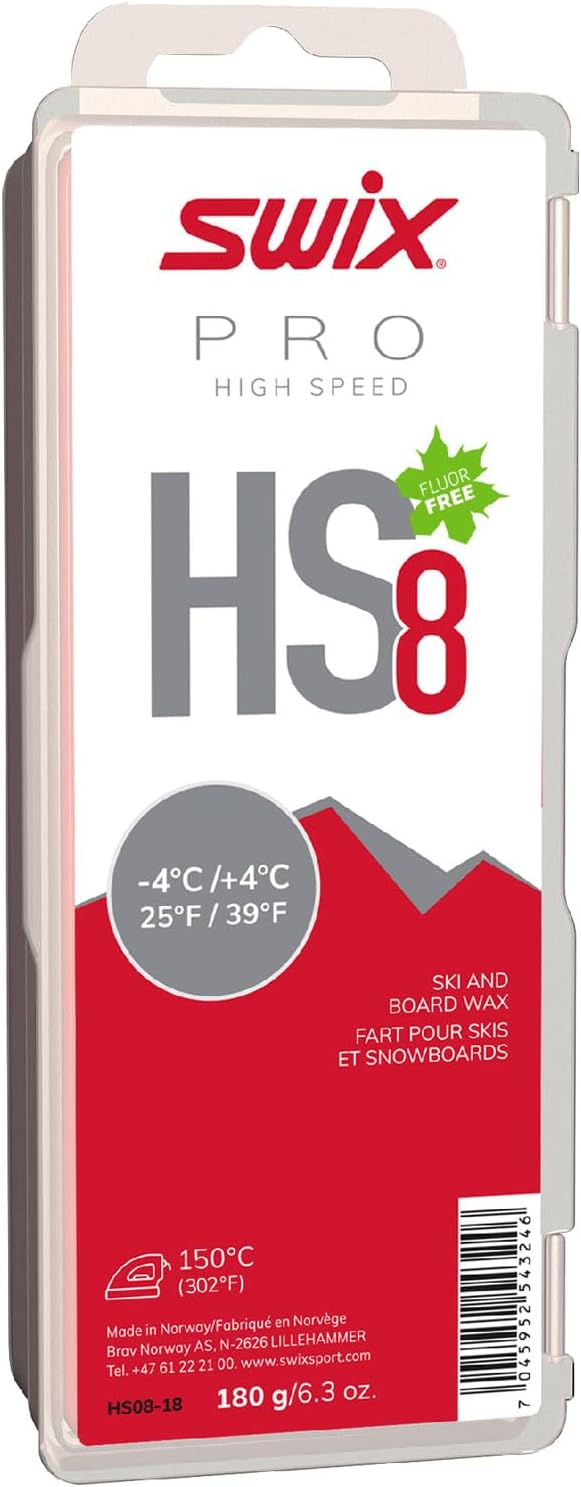
Feed The Beast: Swix Universal Wax
A sintered base like the Ravine Pro is thirsty. To keep it fast, you need to wax it every 3-4 days of riding. Don’t let a dry base slow you down in the flats.
Get Fast WaxCamber & Shape Profile
The Rome Ravine Pro utilizes what they call the Free-The-Ride 3D Camber. This is a complex hybrid profile designed to offer the best of both worlds: power and float.
The 3D Nose
The nose features a distinct 3D rocker (spoon shape). This convex shaping starts just outside the front inserts. This does two things:
1. It makes turn initiation incredibly smooth and catch-free.
2. It acts like the hull of a boat in deep snow, naturally lifting the nose without you having to lean back and burn your back leg.
Positive Camber Tail
From the front foot back to the tail, the board is positive camber. This provides the grip, stability, and “pop” you need when charging hard. It locks in on groomers and provides a solid landing platform.
Understanding this profile is key to riding it well. If you are coming from a full rocker board, this will feel aggressive. Read more about camber vs rocker snowboards to see why camber is preferred for technical riding.
Carving & Edge Hold
On groomers, the Ravine Pro is a trencher. The stiffness (rated roughly 8/10) means it does not chatter at speed. When you lay it over on edge, the positive camber tail bites into the snow and holds the line with tenacity.
Because it is a Directional Shape with a bit of taper (the nose is wider than the tail), the board naturally wants to exit turns quickly. It drives through the arc of the turn and then snaps you into the next one thanks to those Carbon HotRods.
If you want to get the most out of this board, your technique needs to be dialed. It rewards aggressive, forward-leaning riding. Check our guide on how to carve on a snowboard to ensure your body position matches the board’s capabilities.
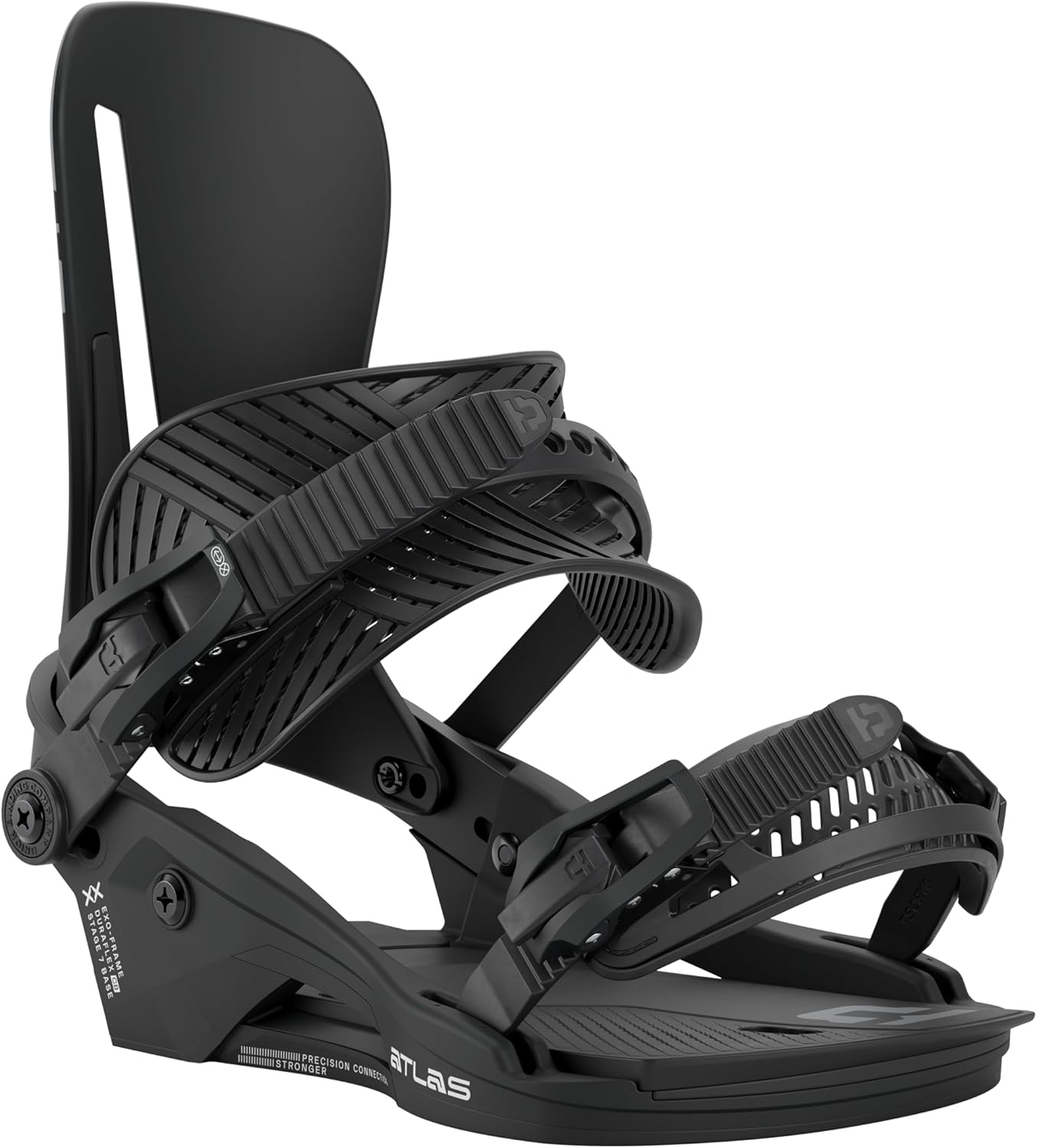
Perfect Pairing: Union Atlas Bindings
A stiff board needs a stiff binding to transfer energy instantly. The Union Atlas is the industry standard for all-mountain response and pairs perfectly with the Ravine Pro.
Check PricePowder Performance
This is where the “Ravine” DNA shines. Despite being stiff and powerful, it floats incredibly well. That 3D contour in the nose works magic in deep snow. It rolls rail-to-rail with a surfy feel that is rare for a board this aggressive.
The taper allows the tail to sink slightly, keeping the nose up effortlessly. Whether you are in tight trees or wide-open bowls, the Ravine Pro feels nimble and buoyant. It gives you the confidence to drop cliffs and smash pillows without worrying about going over the handlebars.
However, the directional nature means it is not designed for riding switch in powder. Learn more about the pros and cons of directional vs twin snowboards here.
Freestyle & Pop
Can you take it in the park? Yes, but bring your A-game. This is not a jib board. It is stiff and unforgiving on rails. However, for jump lines and pipe, it is a missile.
The pop generated from the tail is massive. If you load it up, it will launch you. It is stable on landings, meaning if you land a bit back-seat on a 40-foot jump, the stiff tail will support you rather than washing out.
It excels at “side hits”—finding natural features on the mountain to launch off. The combination of speed and pop makes every cat track a launch ramp.

Protect The Dome: Smith Holt Helmet
When you are sending big side hits on a stiff board, crashes happen fast. The Smith Holt is a classic, durable, and affordable option to keep you safe.
View HelmetPros & Cons
- Explosive Pop: The Carbon HotRods deliver massive energy return.
- Surfy Yet Stable: A rare combination of 3D nose float and camber grip.
- Fast Base: Glides through flat spots easily.
- Aesthetic: Typically features clean, premium graphics.
- Not Beginner Friendly: It will punish you if you get lazy.
- Chatter on Ice: The stiff nose can sometimes feel harsh on pure ice compared to dampening-heavy boards.
- Price: It sits at a premium price point.
Best Alternatives
If the Rome Ravine Pro sounds a bit too aggressive for you, consider the standard Rome Ravine. It has a softer flex profile that is more forgiving and playful, better suited for intermediate riders.
If you want something even more carving-focused, look at the Jones Flagship. For more freestyle flex, the Capita Mercury is a solid contender.

Protect Your Investment: Dakine Low Roller
The Ravine Pro is a premium board; don’t throw it in the back of a truck. A padded bag protects edges and makes travel a breeze.
See Best BagFrequently Asked Questions
No. The Rome Ravine Pro is a stiff, aggressive board designed for advanced to expert riders. Beginners will find it difficult to turn and unforgiving of mistakes.
You need medium-stiff to stiff bindings to match the board’s response. The Union Atlas, Rome Cleaver, or Burton Cartel X are excellent choices.
Yes, it comes with a factory wax, but for optimal performance, we recommend a hot wax after your first 2-3 days of riding.
Yes, slightly. It is designed to be ridden a bit wider than a standard board. You can typically size down 1-2cm from your normal length, but check the weight chart.
It handles hardpack very well due to the camber tail, but on pure ice, the 3D nose has less contact length than a traditional board, so it requires precise edge control.
Yes, but it will feel different. It is a directional board with taper, so switch riding is possible for landings or traversing but isn’t its primary strength.
The Pro is stiffer, features Carbon Omega HotRods for more pop, has a faster sintered base, and uses lighter core materials compared to the standard Ravine.
Not really. The stiff flex and carbon rods make it hard to press. It’s designed for popping and carving, not slow-speed buttering.


 Home
Home
 About
About
 My Cart
 Reviews
 Compare