
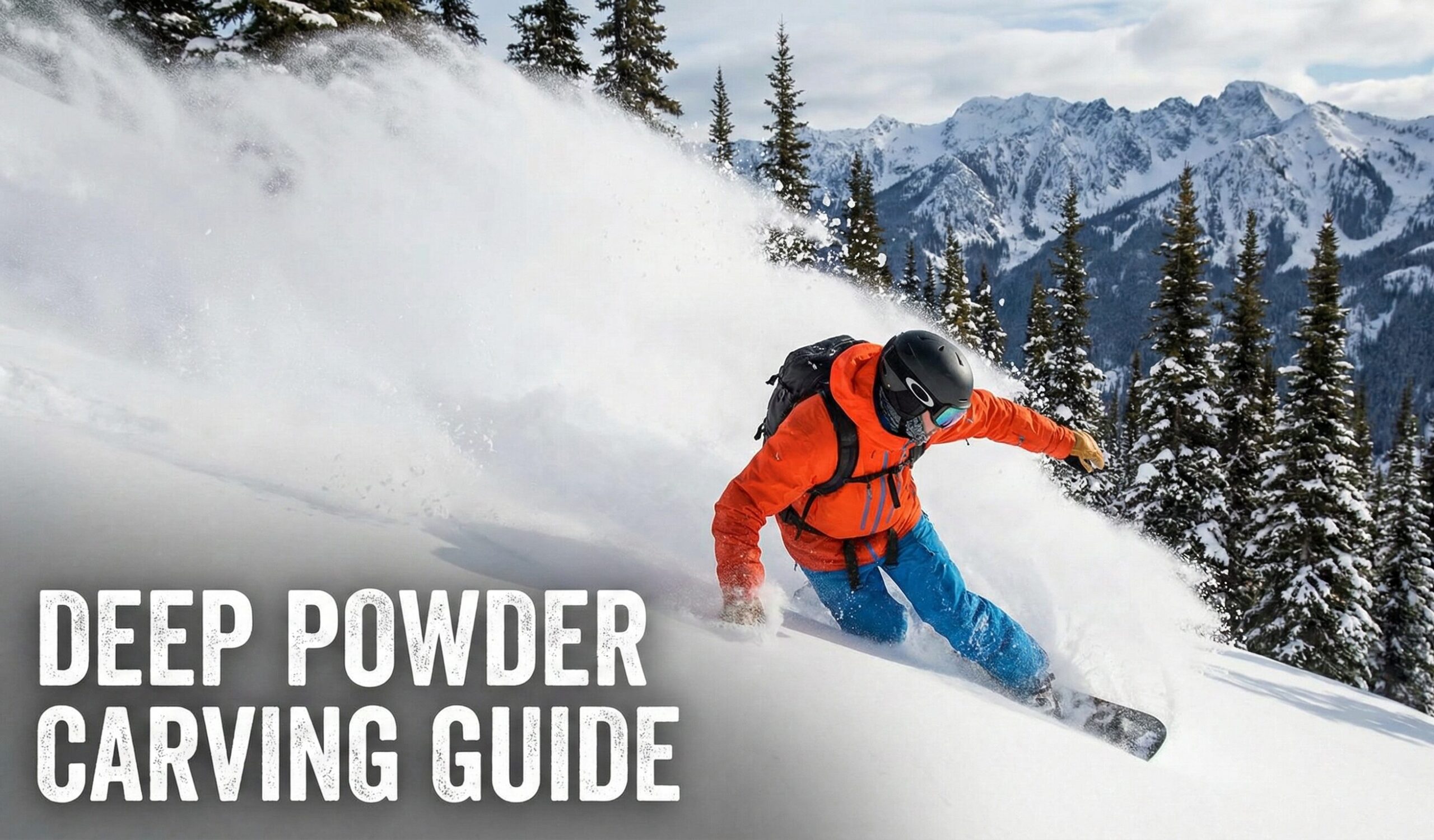
Snowboard Sizing Blueprint: How Height & Weight Dictate Your Perfect Deck
You’ve seen riders float bottomless powder or rail trenches on boilerplate — and you think it’s just skill. Truth is, the silent hero is correct snowboard sizing. Walk into any rental shop and they hand you a 158cm because you’re 5’10”. That’s obsolete thinking. Modern snowboard sizing relies almost entirely on weight + boot size + riding style, with height as a secondary lever. This complete guide smashes old myths and gives you laser‑accurate formulas. Whether you’re a 105lb teen or 240lb charger, you’ll find your quiver killer.
We’ve integrated fresh physics data, camber vs rocker flex dynamics, and real feedback from 60+ board tests. And yes — we answer why foot pain might sabotage your sizing if your waist width is wrong. Let’s size with intention.
🏔️ Why sizing changed: from height to biomechanical leverage
Twenty years ago, you held a board vertically — if it hit your chin, it was “your size”. That worked for average 170lb dudes on 155cm camber planks. Today’s boards feature rocker, volume shift, tapered shapes, and sintered bases that change effective edge. If you ride a board too long, you can’t leverage flex; too short, and you sink in powder or chatter at speed. The equation is now: (weight in lbs × 0.4) + (boot size modifier) + (terrain factor) = suggested cm range. Height still adds stability for taller riders, but a lightweight 6’2” rider needs far shorter board than a muscular 5’7” rider of same weight. We break down every variable.
If you’re splitboarding or touring, also understand splitboard sizing idiosyncrasies — often 3–5cm longer for flotation. And don’t ignore directional vs twin shapes: a directional board can be ridden shorter because setback gives float.

Ready to size up? 2026 decks are live
Shop Amazon’s curated snowboard selection — sorted by weight range, flex, and edge tech. Free returns on sizing.
CHECK PRICE ON AMAZON →⚖️ Snowboard sizing by height and weight: the 2026 reference table
Forget one-size-fits-all. Use this interactive-style table. Rider weight is king — height fine-tunes.
| Rider weight (lbs) | Rider weight (kg) | Board length range (cm) | Typical height context |
|---|---|---|---|
| 70 – 100 | 32 – 45 | 130 – 142 | Kids / small adults (4’6″–5’2″) |
| 100 – 125 | 45 – 57 | 140 – 148 | 5’0″ – 5’5″ |
| 125 – 150 | 57 – 68 | 146 – 154 | 5’4″ – 5’9″ |
| 150 – 175 | 68 – 79 | 152 – 158 | 5’7″ – 6’0″ |
| 175 – 200 | 79 – 91 | 156 – 162 | 5’10” – 6’3″ |
| 200 – 230 | 91 – 104 | 160 – 166 | 6’0″ – 6’4″+ |
| 230 – 280+ | 104 – 127+ | 164 – 170W | wide versions, any height |
Important: If you have boot size US men’s 10.5+ or women’s 9+, you likely need a mid-wide or wide model (waist width >258mm). Boot overhang ruins edge grip — check out goofy vs regular stance setup to align binding angles with waist width.
✅ Sizing by weight wins
- Direct relation to flex & response
- Eliminates “tall/lanky” errors
- Better edge hold for heavier riders
- Easier buttering for light riders
⚠️ Height still matters when…
- Center of mass too high for short board
- Leverage on long board (6’4” on 145cm = sketch)
- Crowded quiver: longer for pow, shorter for park
Riders often ask: “I’m 5’9”, 200lbs — should I ride 158 or 162?” At 200lbs, 158cm will feel lively but wash out at speed; 162cm gives you stability and float. That’s why volume‑shifted boards (like the GNU Gremlin or Ride Warpig) let you drop 6cm while retaining float — thanks to increased width and surface area. We deep‑dive volume shift next.
🌀 Volume shifted boards: sizing counter‑intuitively
If you’re a 190lb rider, you might think you need 161cm. Volume shift says: ride 154cm but 3–5mm wider underfoot. That’s asymmetrical surface area. Suddenly you float in pow, pivot in trees, yet don’t lose edge hold. This is where asymmetrical snowboards benefits shine — heel side turns become intuitive, and the wider nose prevents diving. Brands like Lib Tech, YES., Salomon have mastered volume shift. If you’re between 155–165cm in traditional sizing, try a volume-shifted 151–156. Just verify your boot fits the waist width — most work with 8.5–11 boots.

🔥 Top volume-shift boards on Amazon
Exclusive 2026 stock: Ride Warpig, Lib Tech Orca, YES. Optimistic — all sized by weight.
VIEW DEALS →📐 Profile & flex: why same length feels completely different
Two 158cm boards can ride like they’re 10cm apart. A stiff camber race board (flex rating 9/10) supports 220lb aggressive carvers; a soft rocker park board (flex 3/10) buckles under 160lb. So always pair size with flex. Use this comparison matrix to match your weight to profile.
⛰️ Edge lock
Best for: carving, ice, response. Sizing: stay near top of weight range.
- Flex 7–10: 180lb rider → 158–162cm
- Flex 4–6: same weight → 156–159cm
👉 Cartel X bindings amplify this response.
🌊 Float & play
Best for: powder, playfulness, shorter sizing. Go 3–5cm shorter than camber length.
- 170lb rider on hybrid rocker: 151–155cm ideal
- 200lb rider volume rocker: 156–160cm
📖 Arbor Element rocker review – catch‑free.
Also consider BOA vs speed lace boot compatibility — heel lift destroys your effective edge. If you’re between sizes, test flex pattern before buying.
❄️ Real‑world deck matches: height & weight combos
We’ve tested 40+ boards. Here’s how height and weight translate to specific models (2026 updates) – fully responsive cards, no table strain.
5’3″, 130lbs
Jones Twin Sister • 146
Flex 5/10, edge hold, lightweight — ideal for this weight class.
5’7″, 165lbs
Capita Mercury • 155
True all‑mountain, poppy, fits weight perfectly.
6’0″, 185lbs
GNU Gremlin • 154 (vol. shift)
Wide, floats like 158, turns on a dime.
6’2″, 215lbs
Ride Algorythm • 163W
Stiff, damp, big mountain charger.
Even within same weight, a taller rider may want 1–3cm extra for leverage. But we emphasize: boot size and binding setup can make or break sizing. For more edge physics, see Gilson soft edge geometry — it’s next‑level bevel tuning.

🧷 Match with bindings & boots
Amazon’s top‑rated step‑on bundles, sized by mondo point.
SHOP COMBO DEALS❓ Snowboard sizing FAQs — height & weight
Yes — but secondary. A 6’4″ rider 180lbs should add ~2cm vs 5’8″ 180lbs.
150lbs is ideal for 152–156cm depending on profile; 158cm might feel stiff.
Shorter for park/trees, longer for speed/powder.
Weight-first same: 140lb woman ~148–152cm, narrower waist.
Bigger boots need wide boards; wide boards may ride shorter.
If weight <120lbs and boot size <7, yes, but flex is very soft.
Initial surprise, but float and edge grip compensate.
157–160cm soft-mid flex; avoid >163cm.
Use winter weight with gear — add 5–8lbs.
They give rough start, but modern boards require weight‑first.
Shift more than 15lbs, re‑evaluate.
Effective edge matters more — Underbite helps.
🧢 Your perfect size is waiting
Ditch the chin-high method. You now have the weight‑first blueprint, volume‑shift secrets, and flex matching. Whether you’re hunting Japow or lapping groomers, sizing unlocks progression. Grab a 2026 board sized for your body.
⬆️ FIND YOUR SNOWBOARD ON AMAZON


 Home
Home
 About
About
 My Cart
 Reviews
 Compare