
Women’s Snowboarding Gear Guide: Elevate Your Ride with Confidence
Forget unisex fits that miss the mark. This guide focuses on gear engineered for women’s anatomy, ensuring comfort, warmth, and performance so you can focus on the ride.
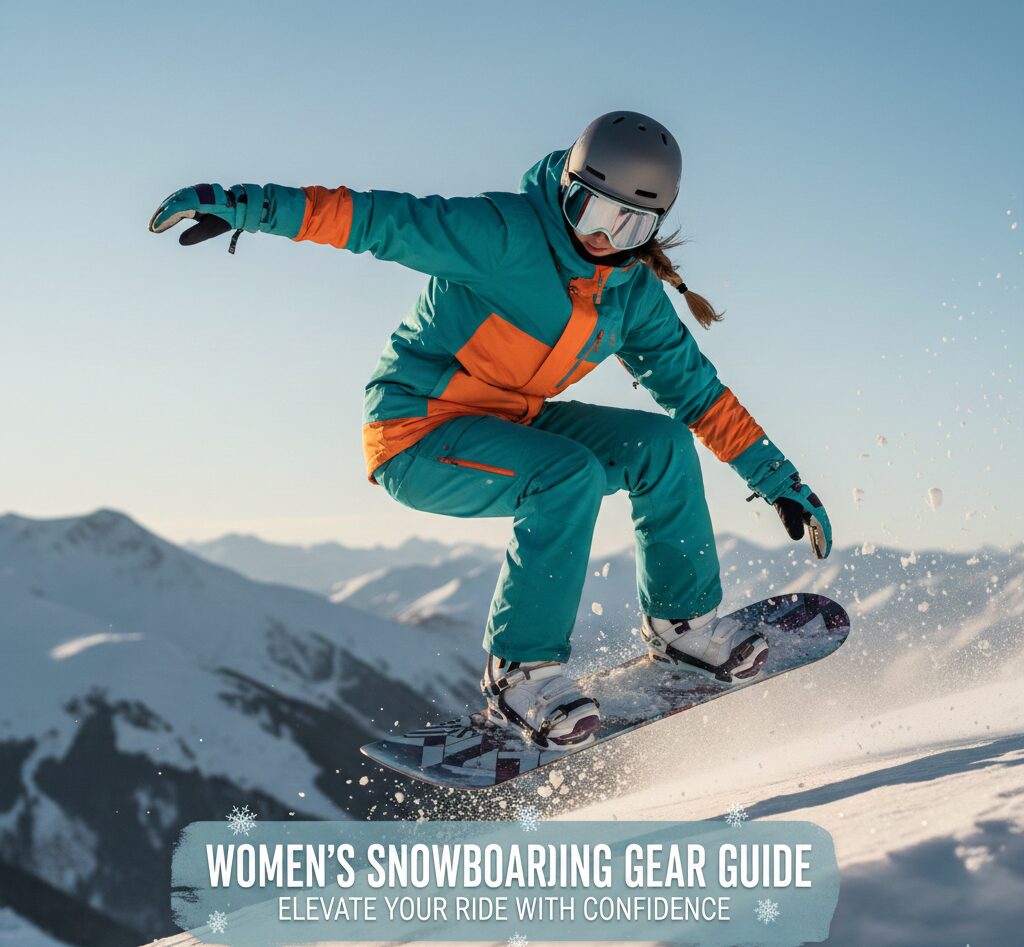
1. Fit-First Philosophy: Anatomy Matters
Women’s-specific gear isn’t a marketing gimmick. It accounts for differences in shoulder width, hip-to-waist ratio, calf positioning, and center of mass. A proper fit eliminates bulk, reduces fatigue, and increases mobility. Prioritize gear designed for the female form—it will keep you warmer, drier, and more responsive on the mountain.
Pro Fit Tip: The Three-Finger Rule
For jackets and bibs, you should be able to fit three fingers between your base layer and the shell when standing. This allows for essential air circulation without being baggy. For boots, your heel must be locked in with zero lift.
2. Base Layers: Your Second Skin
This is your moisture management system. Avoid cotton at all costs. Opt for merino wool or synthetic fabrics. Women’s-specific cuts offer longer torso lengths and contoured seams to prevent chafing. Consider a merino wool vs synthetic base layer comparison to choose based on your sensitivity and budget.
 Check Price on Amazon
3. Insulation Layers: Targeted Warmth
Mid-layers trap heat. Women often run colder in extremities, so a high-quality insulating layer is crucial. Look for down or synthetic insulated vests or jackets with tailored fits that don’t add bulk around the hips. A good fleece or lightweight puffy that fits under your shell is a versatile essential.
4. Outerwear Shells: Waterproof & Breathable
Your jacket and pants/bibs are your primary defense. Look for a minimum of 10k/10k waterproof/breathability ratings. Bibs are highly recommended for deep powder days and preventing snow down your back. Women’s cuts feature narrower shoulders, roomier hips, and shorter sleeve/leg lengths. Features like powder skirts, wrist gaiters, and venting zippers are game-changers.
 Shop Bibs on Amazon
5. Snowboard Boots: The Most Critical Purchase
Ill-fitting boots ruin your day. Women’s boots have a narrower heel pocket, a lower calf profile, and different flex patterns to match lower muscle mass. Always try on with your snowboard socks. They should feel snug like a firm handshake, with no pressure points or heel lift. Consider BOA vs speed lace systems for heel lock and flex based on your preference.
6. Women’s Bindings: Responsive & Lightweight
Women’s bindings aren’t just smaller; they’re engineered with different highbacks and ankle straps to accommodate lower calf muscles and boot sizes. They offer progressive flex for lighter riders. Don’t just buy a smaller men’s binding. Our dedicated guide to the best women’s snowboard bindings breaks down the top models for all riding styles.
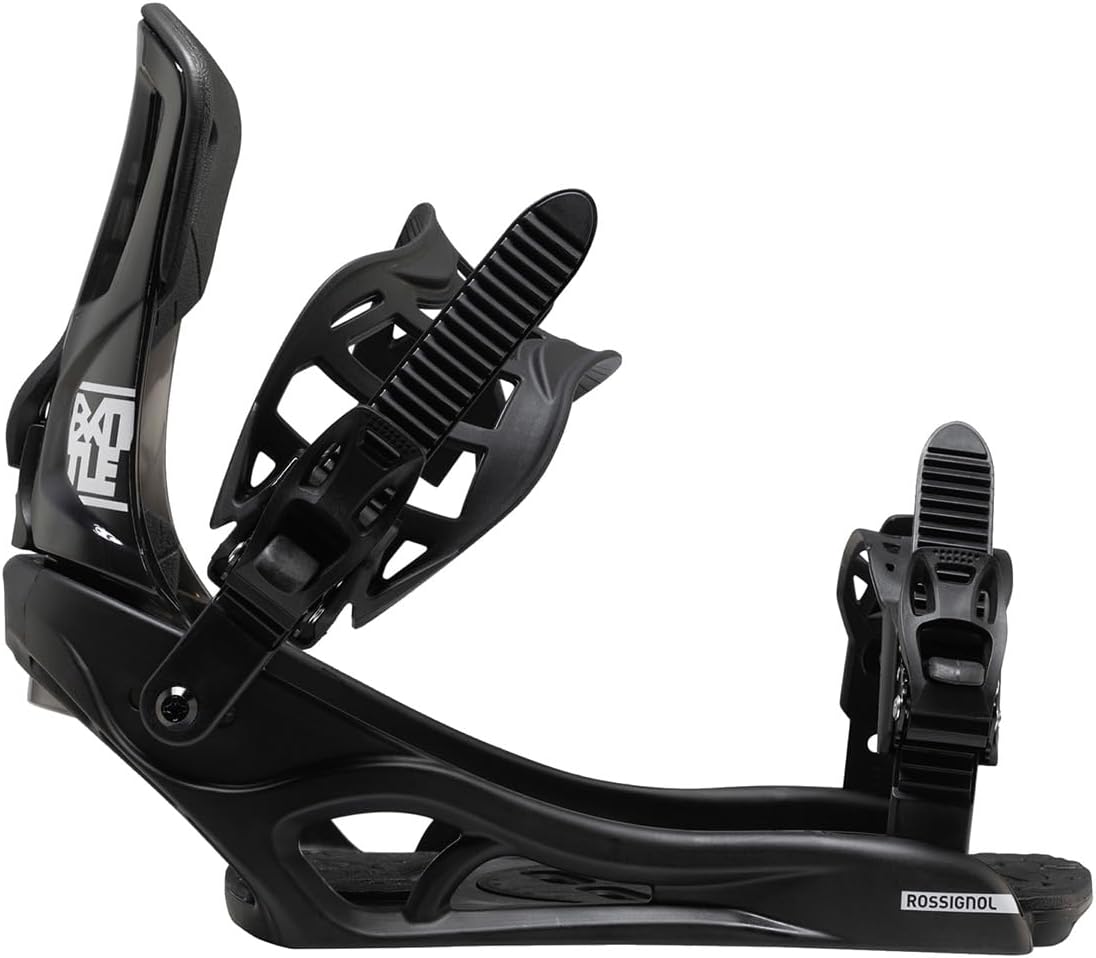 View Bindings on Amazon
7. Women’s Snowboards: Designed for Your Stance
Women’s snowboards have a softer flex, narrower waist widths, and stance positions set back to accommodate a typically lower center of gravity. This makes them easier to turn and control. A hybrid camber profile is often the most forgiving for beginners and intermediates. If you’re curious about other innovative shapes, learn about the benefits of asymmetrical snowboards which can enhance edge control.
8. Helmets & Goggles: Safety & Vision
Always wear a helmet. Many brands offer women’s-specific fits with different interior shapes. Look for MIPS technology for rotational impact protection. Goggles should fit seamlessly with your helmet. Consider lens versatility—a low-light lens for cloudy days and a sun lens for bluebird days is ideal. Photochromic lenses that adjust automatically are a fantastic investment.
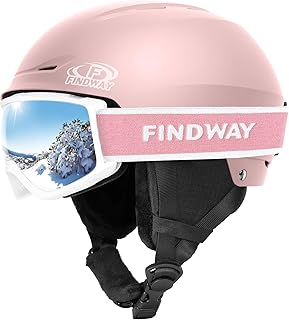 Find Helmet & Goggles
9. Gloves & Accessories: Protect Your Extremities
Cold hands and feet end the day early. For gloves, prioritize waterproofing and dexterity. Mittens are warmer than gloves. Wear thin liner gloves underneath for extra warmth. Don’t forget a neck gaiter or balaclava, and quality snowboard socks (merino blend, no cotton).
10. Impact Protection: Ride Longer, Fear Less
Crashing is part of learning. Impact shorts protect your tailbone and hips. Wrist guards are arguably the most important piece for beginners to prevent the most common fracture. This isn’t about being weak—it’s about being smart and staying on the hill instead of in the clinic.
11. Packing Essentials: The Day Bag Checklist
Be prepared for changing conditions. Your resort day bag should include: a spare base layer top, an extra pair of socks, sunscreen and lip balm (SPF 30+), a compact tool for binding adjustments, a small snack, a hydration pack or water bottle, and a portable phone charger.
12. Seasonal Care: Make Your Gear Last
At season’s end, clean and dry all gear thoroughly. Apply a storage wax to your board. Loosen all boot and binding straps to prevent material fatigue. Store everything in a cool, dry place out of direct sunlight. Proper care adds years to your gear’s life.
Final Word: Invest in Experience
Your gear is the bridge between you and the mountain. Investing in well-fitting, women’s-specific equipment isn’t a luxury—it’s the key to comfort, confidence, and progression. You deserve gear that works with you, not against you.
Women’s Snowboarding Gear: Your Questions Answered
Is women’s-specific snowboard gear really necessary?
Yes, if you want optimal performance and comfort. Women’s gear is designed for differences in anatomy—like narrower shoulders, wider hips, and a lower center of gravity. This leads to better fit, less fatigue, and more control.
What’s more important to spend money on: boots or board?
Boots, 100%. You can ride a mediocre board with great boots and have a decent day, but incredible boots on a mediocre board will be miserable. Boots are the direct connection to your board and affect everything.
Can I buy men’s snowboard gear if I can’t find my size in women’s?
For some items like gloves or certain jackets, possibly. For boots, bindings, and boards, it’s not recommended. The fit and performance characteristics are specifically tuned. Always try to find women’s-specific models first.
How should snowboard pants fit for women?
They should be snug at the waist but allow full range of motion at the hips and knees. There should be enough room to fit a base layer and mid-layer underneath without being baggy. The cuff should sit over your boot without dragging.
Are step-on bindings a good option for women?
Yes, they can be excellent for convenience and reducing fatigue from sitting down to strap in. However, ensure you get the compatible boots and that the system fits your boot size and riding style. Try before you buy if possible.
What’s the best base layer material for sensitive skin?
Merino wool is naturally odor-resistant, temperature-regulating, and less itchy than older wool types. It’s ideal for sensitive skin. Look for a high merino content (over 80%) for the best feel.
How do I know if my snowboard boots fit correctly?
Your toes should lightly brush the end when standing straight, and pull back slightly when in a riding stance. Your heel must be locked down with zero lift. There should be no pressure points or pinching.
Should I get a jacket with built-in insulation or a shell?
A shell (with separate layers) offers more versatility. You can adjust your insulation based on the day’s weather. An insulated jacket is simpler but can be too warm on mild days. For most riders, a shell system is recommended.
Are there specific goggles for women?
Yes, many brands offer women’s-specific goggles with different frame shapes to fit narrower faces and smaller nose bridges. This prevents gaps and improves seal and comfort.
Where is the best place to buy women’s snowboard gear online?
Look for retailers with generous return policies. Amazon can be great for accessories and base layers. For boots, boards, and bindings, consider specialty online snowboard shops with expert fit advice and easy exchanges.


 Home
Home
 About
About
 My Cart
 Reviews
 Compare