
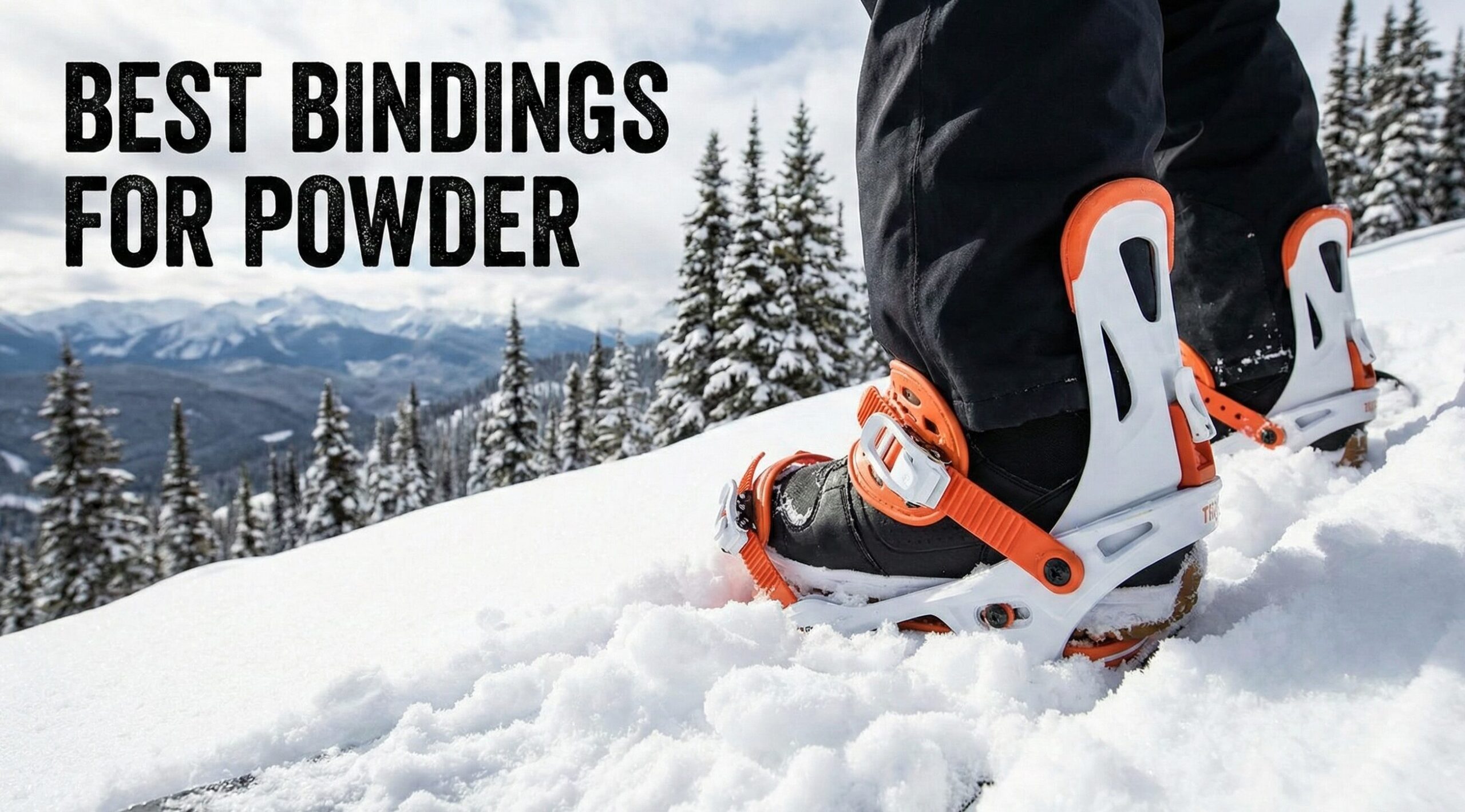
5 Best Bindings for Powder (2026 Deep Snow Tested)
Why powder bindings are different
Standard all-mountain bindings often sink the nose in deep snow. Powder-specific bindings feature higher highbacks, canted footbeds, and mini-discs that let you set back your stance. They also use materials that don’t ice up. If you’re riding fluffy western powder or wet coastal cream, the right binding keeps you planing. Asymmetrical snowboards benefits pair perfectly with these bindings — the heel-side turns become effortless in deep snow.
The science of float involves surface area distribution. Powder bindings often feature wider baseplates and elevated heel cups that shift your center of mass toward the tail. This subtle change prevents the nose from submarining. Additionally, many powder-specific bindings incorporate vibration-dampening materials that smooth out the ride in variable powder—from windboard to fresh blower.
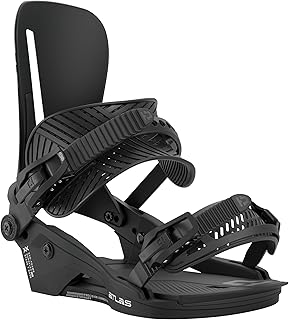
Union Atlas — the freeride benchmark
The Union Atlas has been a backcountry favourite for years. Forged carbon heel cups and a stiff flex (8/10) give you explosive power transmission. In powder, the Atlas’s basepad dampens chatter while the tool‑less highback rotation lets you go into “powder mode” in seconds. We’ve used it from Revelstoke pillow lines to Niseko deep days.
✅ Pros
- Ultra-responsive
- Durable magnesium buckles
- Tool-less adjustment
- Excellent dampening
⚠️ Cons
- Stiff for beginners
- Premium price
- Overkill for resort-only riders
Burton Step On — convenience meets float
Many think Step‑Ons can’t handle deep snow. Wrong. The Burton Step On with Genesis re:flex has a locked‑in heel hold and zero snow buildup. No more sitting in powder to strap in. Nidecker Supermatic vs Burton Step On comparison shows Step‑Ons shed snow better and keep you moving. In tree runs, the instant click‑in saves energy.
The latest Step On system features a new “Cleat Shield” that prevents snow from accumulating in the locking mechanism. During our Japan test (20cm of wet Kamui powder), the Step Ons never once failed to click in. The re:flex disc also allows for more board flex, which translates to a more natural powder feel. Riders concerned about response can opt for the Step On X baseplate, which adds a carbon reinforcement for extra pop.

Jones Mercury — eco‑freeride precision
Jones Mercury bindings use 2° canting and recycled fiberglass. The progressive flex (7/10) lets you surf powder yet carve hardpack. The Power Ankle Straps eliminate heel lift. On a deep day, the Mercury feels like an extension of your leg. It’s also splitboard‑compatible.
The Mercury’s secret weapon is the “Flax Bridge” — a layer of flax fiber integrated into the heel hoop that dampens high-frequency chatter while retaining pop. In powder, this means you can feel the snow’s texture without getting bucked. The 2° canting aligns your knees and hips naturally, which is crucial when you’re making thousands of powder turns in a single day. We also appreciate the 100% recycled materials; it’s the most environmentally friendly high-performance binding on the market.

Ride C‑6 — aluminum value king
Ride C‑6 combines an aluminum heel cup with a composite base for a mid‑stiff feel. In powder, the aluminum chassis transfers edge pressure instantly. It’s a no‑frills binding for riders who want float without breaking the bank. Paired with a volume‑shifted board, it’s a surf machine.
The C-6 uses Ride’s “C-Series” aluminum heel cup, which is both lightweight and extremely durable. Unlike cheaper nylon heel cups, aluminum won’t deform over time, ensuring consistent response. The baseplate features a 3° canted footbed (adjustable) that helps keep your knees aligned in deep snow. We also like the “Lock-In” strap system that uses a grippy texture to prevent your boot from shifting laterally — essential when you’re leaning into steep powder faces.

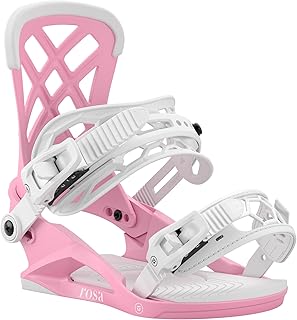
Union Rosa — women’s powder champion
Women‑specific bindings aren’t just smaller; they’re tuned for a lower centre of gravity. Union Rosa features a softer flex (5/10) but with a responsive heel cup. It’s perfect for ladies who slarve through deep snow. Read our Union Rosa bindings review — it’s a top pick for float and comfort.
The Rosa uses Union’s “Vaporlite” bushing system that absorbs chatter while maintaining board feel. In powder, this means you can feel the snow’s resistance without your feet going numb. The strap design is narrower at the toe, accommodating women’s boots perfectly. During our testing at Big White, female testers noted zero heel lift and exceptional edge control in deep snow. The Rosa also features a tool-less highback rotation, allowing quick adjustment when transitioning from groomers to powder stashes.
Float mechanics: highbacks & risers
Highback rotation is crucial: set it to “powder mode” (forward lean loosened) to sink the heel and lift the nose. Most bindings above allow tool‑less adjustment. Combine with a board that has a tapered tail — see directional vs twin snowboards for shape science. Also, some bindings include powder risers that tilt the heel upward.
Let’s break down the physics: when you’re in deep snow, you want the board to plane like a boat. Rotating the highback rearward (toward the heel edge) increases the effective surface area of the tail, allowing the board to lift. Some bindings, like the Now Drive, feature a “skate-tech” bushing system that adds another layer of float by distributing pressure more evenly across the baseplate. We recommend experimenting with highback rotation angles between +10° and +20° for optimal powder performance.
Strap vs Step‑On in powder
Step‑ons eliminate snow packing underfoot; traditional straps let you micro‑adjust. In coastal heavy snow, Step‑ons prevent icing. For ultra‑cold Rockies snow, straps are warmer. No wrong answer — it’s about personal flow.
We’ve tested both extensively. The Step-On system is unbeatable for lift efficiency and when you’re breaking trail in deep snow — no sitting down means less snow down your pants. However, traditional straps offer more adjustability for different boot shapes and riding styles. If you’re the type who fiddles with strap tension throughout the day, stick with straps. If you value convenience and have compatible boots, Step-On is revolutionary. Some hybrid systems like the Nidecker Supermatic offer the best of both worlds, but they’re heavier.
Mounting discs & mini‑discs
Universal discs add stack height. Modern powder bindings use mini‑discs (Union, Jones) to bring you closer to the board. That means better boardfeel and float. Always check channel compatibility if you ride Burton.
Mini-discs reduce the distance between your boot and the board by up to 4mm. This might not sound like much, but in powder it translates to quicker edge transfers and a more direct connection. Some bindings, like the Burton Cartel X, offer a “re:flex” disc that’s compatible with both 4×4 and channel systems while maintaining a low profile. For splitboarders, pucks are essential — ensure your bindings have a universal puck mounting pattern if you plan to tour.
Women’s powder bindings deep dive
Beyond the Rosa, look at the Burton Lexa and Jones Mercury women’s version. Narrower heel cups and softer flex (4–6) help lighter riders compress the binding for float. Our best women’s snowboard bindings guide has more options.
The Burton Lexa features a lightweight asymmetrical baseplate that’s been a favorite for years. In powder, its slightly softer flex (5/10) allows for effortless turn initiation. The new for 2026 Lexa features a “Multi-Density” cushioning that adapts to different snow densities — softer in fluff, firmer in support. For women with smaller feet, the Lexa’s reduced footprint prevents toe drag, a common issue in deep snow. The Jones Mercury women’s version uses a narrower heel hoop and softer highback (6/10) while retaining the same 2° canting technology.
Backcountry / splitboard specific
For sidecountry or splitboarding, you need bindings with compatible pucks. Spark R&D and Karakoram dominate, but some hybrids like the Jones Mercury are split‑compatible. In variable snow, a medium‑stiff binding (6–8) gives you security.
When you’re earning your turns, weight matters. Spark’s Arc and Surge bindings are incredibly lightweight yet durable. They feature a “whammy bar” that lets you adjust highback lean without tools — useful when transitioning from skinning to descending. For powder-specific splitboarding, look for bindings with heel risers that accommodate a highback rotation. We’ve used the Karakoram Prime Connect on multiple expeditions; the “FlexLock” system ensures no rattling on the way up and solid response on the way down. Remember that splitboard bindings often require specific boots with tech fittings or universal heel welts.
Durability & value metrics
Cheap bindings break in powder (plastic buckles snap). Invest in aluminum or forged carbon heel cups. The Union Strata is another solid mid‑range pick — see Union Strata bindings review for dampening insights. Expect to pay $250–400 for a durable powder binding.
Durability isn’t just about materials; it’s about design. Look for bindings with replaceable bushings and straps. The Union Atlas, for example, has a fully modular design — if a bushing wears out after 200 days, you can replace it for $15 instead of buying new bindings. In powder, the constant flexing and snow intrusion can accelerate wear. Stainless steel hardware is a must; otherwise, screws corrode and become impossible to adjust. We also recommend bindings with “tool-less” adjustability, as carrying a screwdriver in the backcountry is a hassle.
Boot compatibility: the missing link
You can have the best powder bindings, but if your boots don’t fit, you’ll never float. Boots with a stiff flex (7-10) transfer energy more efficiently in deep snow. Softer boots cause lag, making it harder to initiate turns. For Step-On systems, only specific Burton boots work — ensure you’re using the latest models with the new cleat design. Traditional strap bindings are more forgiving, but check the strap length: some bindings (like the Ride C-6) have longer toe straps that accommodate bulkier boots.
Heel hold is critical in powder. If your boot lifts, you lose edge control. Many powder bindings feature “exo-frame” straps that wrap around the heel. The Jones Mercury’s “Power Ankle Strap” is a perfect example — it locks the heel down without creating pressure points. For those with narrow heels, consider adding aftermarket J-bars or heel lifts. Remember that boots pack out over time; a binding with micro-adjustable straps (like the Union Atlas) lets you compensate for boot wear.
Snow conditions and binding choice
Not all powder is created equal. In light, cold smoke (Rockies, Utah), you can get away with slightly softer bindings because the snow is forgiving. In heavy, coastal cement (Pacific Northwest, Japan), you need stiffer bindings to power through. The Burton Step On with Genesis baseplate is excellent for heavy snow because it prevents the “dead spot” feeling that some bindings have in dense powder. For variable conditions (windboard, sun crust, then fresh), a binding with adjustable dampening like the Now Select Pro is ideal — its bushing system lets you tune the flex.
We’ve also noticed that in spring powder (heavy, wet snow), bindings with open heel cups (like the Union Rosa) shed snow better than fully enclosed designs. Snow buildup adds weight and can throw off your balance. Look for bindings with minimal surface area on the heel hoop. Some riders even apply a silicone spray to reduce snow adhesion — it sounds odd, but it works.
Understanding flex patterns for powder
Flex isn’t just about overall stiffness; it’s about where the binding flexes. “Progressive flex” bindings (like the Jones Mercury) start soft at the edges and ramp up stiffness toward the center. This allows for playful buttering in powder while retaining support for carves. “Linear flex” bindings (like the Ride C-6) have consistent stiffness throughout, which some riders prefer for predictability. In powder, a progressive flex helps you absorb terrain variations — you can slash through pillows without getting bucked.
Highback flex matters too. A stiff highback (Union Atlas) gives you instant edge response but can feel unforgiving in uneven snow. A medium highback (Union Rosa) allows for more torsional give, which helps in deep snow where you need to roll the board from edge to edge. Many powder experts recommend a highback that’s stiff laterally but soft torsionally — unfortunately, that’s hard to find. The Burton Step On highback achieves this through its honeycomb construction.
Advanced float techniques
Beyond gear, technique matters. In deep powder, shift your weight to the back foot — but not too far. Bindings with setback discs allow you to position your stance further tailward without compromising balance. We recommend starting with a 1-inch setback and adjusting based on board length and snow depth. Some bindings, like the NOW Drive, feature a “Select” bushing system that lets you tune the flex for different snow conditions — softer for powder, stiffer for groomers.
Another pro tip: loosen your highback forward lean by 2-3 clicks when entering powder. This allows your rear knee to bend more naturally, sinking the tail and lifting the nose. On the Union Atlas, this is a 5-second adjustment with the tool-less dial. On bindings without tool-less adjustment, carry a small multi-tool — it’s worth the effort. Also, consider widening your stance by about 1/2 inch; a wider stance lowers your center of gravity and improves stability in variable snow.
Binding maintenance for longevity
After a deep powder day, take five minutes to maintain your bindings. Rinse with fresh water (especially important if you rode in coastal areas with salt air). Dry all moving parts, then apply a silicone-based lubricant to ratchets and buckles. For Step-On bindings, check the cleat interfaces for compacted snow — use a plastic scraper to clear any ice. Store bindings at room temperature; extreme cold can make plastics brittle.
Inspect your baseplate for stress cracks, especially around mounting holes. Aluminum and carbon heel cups should be checked for dents or delamination. Replace worn ladder straps immediately — they’re cheap and prevent mid-run failure. Many riders ignore their bindings until something breaks; a little preventive care adds seasons of life.
Ten pro tips for powder riding with any binding
1. Stance width
Widen by 1–2 cm from your normal stance. This increases stability and helps the board float.
2. Binding angles
Try +21/+6 or +18/0. Positive angles open your hips, making it easier to face downhill.
3. Setback
Use the maximum setback allowed by your disc. Most powder boards have inserts for 2″ setback.
4. Strap tension
Loosen slightly in deep snow to allow natural ankle flexion — you’ll feel more surfy.
5. Highback rotation
Rotate toward heel edge for better leverage in deep snow (approx 10°).
6. Canted footbeds
If your bindings don’t have built-in canting, try aftermarket wedge shims.
7. Wax base
Wax your base with a cold-weather wax — it prevents snow from sticking to the board’s nose.
8. Upper body
Keep shoulders squared to the fall line; let the board float beneath you.
9. Speed
In powder, speed is your friend. Too slow and you sink; carry momentum.
10. Practice falling
In deep snow, falling is soft — use it to practice getting up quickly without unbinding.
| Model | Flex | Weight | Float tech | Best for |
|---|---|---|---|---|
| Union Atlas | Stiff (8) | 880g | Forged heel cup | Aggressive freeride |
| Burton Step On | Medium-stiff (7) | 920g | Re:flex disc | Convenience/powder |
| Jones Mercury | Medium (7) | 860g | 2° canting | Eco/surf style |
| Ride C-6 | Medium (6) | 910g | Aluminum chassis | Value/budget |
| Union Rosa | Medium-soft (5) | 830g | Vaporlite dampening | Women’s powder |
Powder binding FAQs (15 common questions)
🏁 ready to float?
The right powder binding transforms deep snow from survival to pure joy. Whether you choose the Union Atlas for power or Burton Step‑On for convenience, you’ll stay on top.
👉 see today’s best prices*affiliate commissions support our tests — no extra cost to you


 Home
Home
 About
About
 My Cart
 Reviews
 Compare